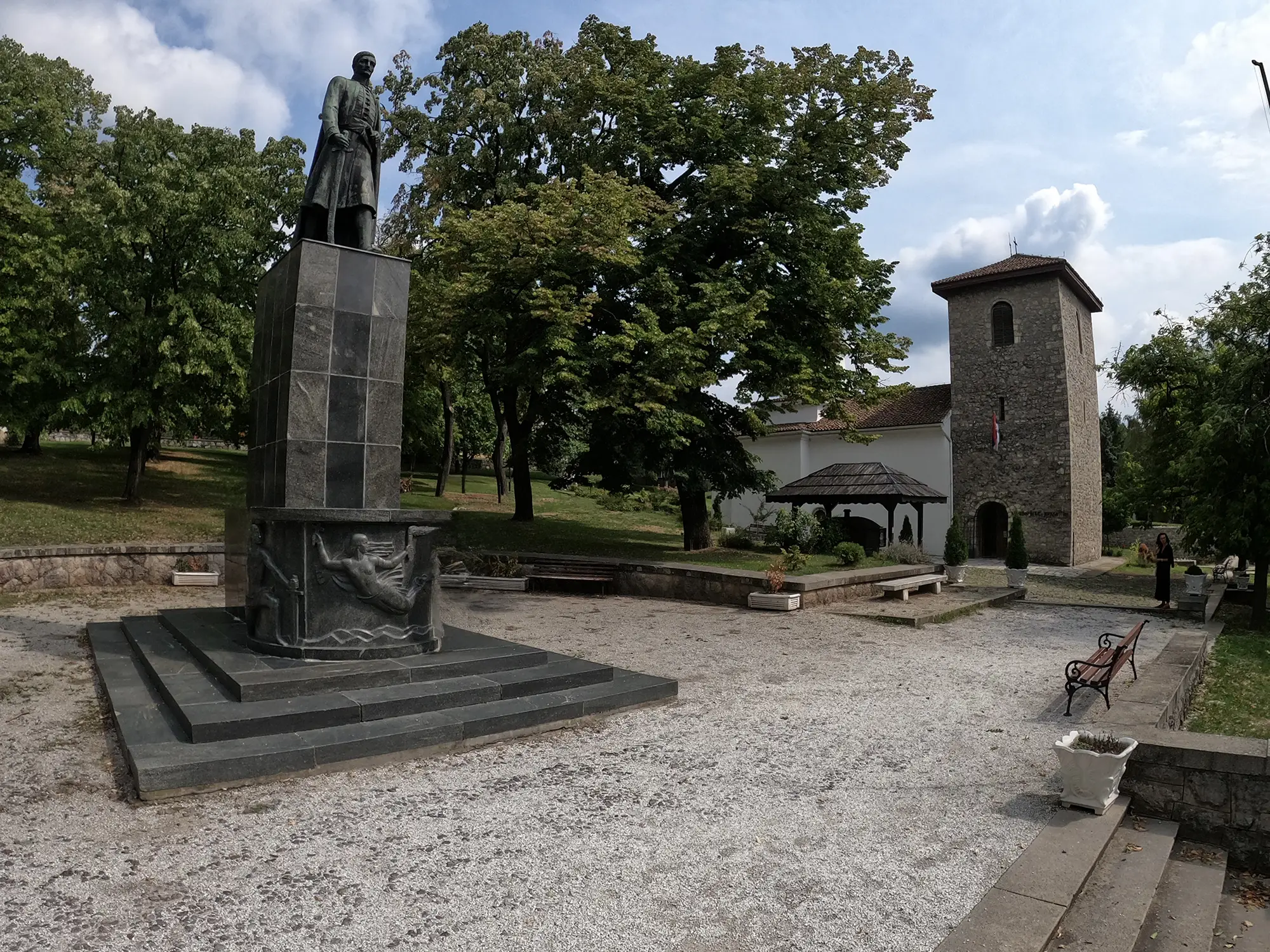
Karadjordje's Town, Topola, Serbia
Karadjordje’s Town, known in Serbian as Konak, is a historical museum complex situated in Topola, about 54 miles southeast of Belgrade, the capital of Serbia. This important cultural site preserves several key structures that reflect early nineteenth-century Serbian life, including a restored residential building with a defensive tower, a church with a bell tower, and an old school. Together, these buildings form a unique historical setting that illustrates the struggle for national liberation and the formation of the modern Serbian state.
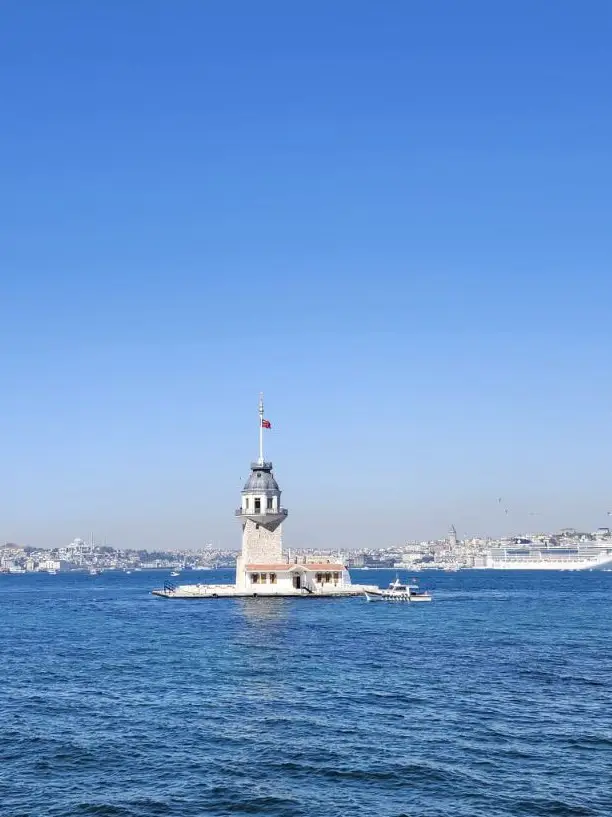
Cultural Sites in Istanbul, Turkey
Istanbul is the largest and most populous city in Turkey, with a population exceeding 15 million people. What makes Istanbul unique among world cities is its geographical position: it is the only city in the world that spans two continents, Europe and Asia, separated by the Bosphorus Strait. This strategic location has made Istanbul an important political, economic, and cultural crossroads throughout history.