After the collapse of the Milosevic regime in 2000, Serbia started its transition toward democracy and a market economy. During these times of profound change in national life—everything from communist totalitarianism and authoritarianism to civil war and U.N. sanctions—I witnessed the many changes in ideology, borders, economy, culture and politics first-hand. These changes raised questions for me about authority, totalitarianism, borders, equality, democratic values, justice and how we can make sense of our world.
Motivated by my thirst for knowledge, I continued my education in the United States. While I faced early challenges, I brought a wealth of experience, skills and dedication to the ideals of knowledge from my Eastern European heritage. My years studying the region have given me a unique and realistic perspective on how new national and regional security structures among Eurasia, Europe and the world can be built, informed by personal experiences and deep reflection.
The more we understand the Eastern European region, the more we can appreciate the complex interplay of cultures, influences, needs and ideas that have shaped its history. The region constitutes a cultural crossroads connecting Eurasia with the West, and vice versa. Those who understand Eastern Europe will find it easier to understand Eurasia in the 21st Century.
In summary, my lived experiences through different stages in the national lives of Yugoslavia, Serbia and now America, combined with my academic research and work through the American Council for Eastern Europe, have given me a unique perspective, one deeply grounded in realism and insights into the evolving cultural, political, economic and social landscapes of Eastern Europe and beyond.
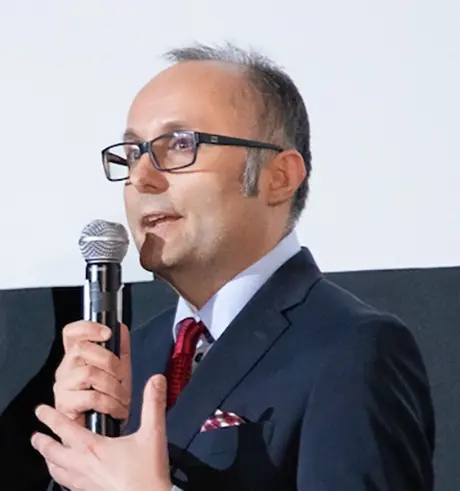
Milos Rastovic
Founder & President