My life has provided me a unique perspective on the events and changes that have occurred in Yugoslavia, Serbia, and the United States over the last half-century. I was born and grew up in the former Socialist Federal Republic of Yugoslavia, a country that once straddled the fence between the Eastern communist and Western capitalist blocs during the Cold War. This neutral position shaped my early understanding of the often conflicting Western and Eastern policies, especially as they played out in the Balkan region. Growing up, we had a saying, "Don't put all your eggs in one basket," which seemed to encapsulate the historical challenges of keeping today's Eastern European lands unified.
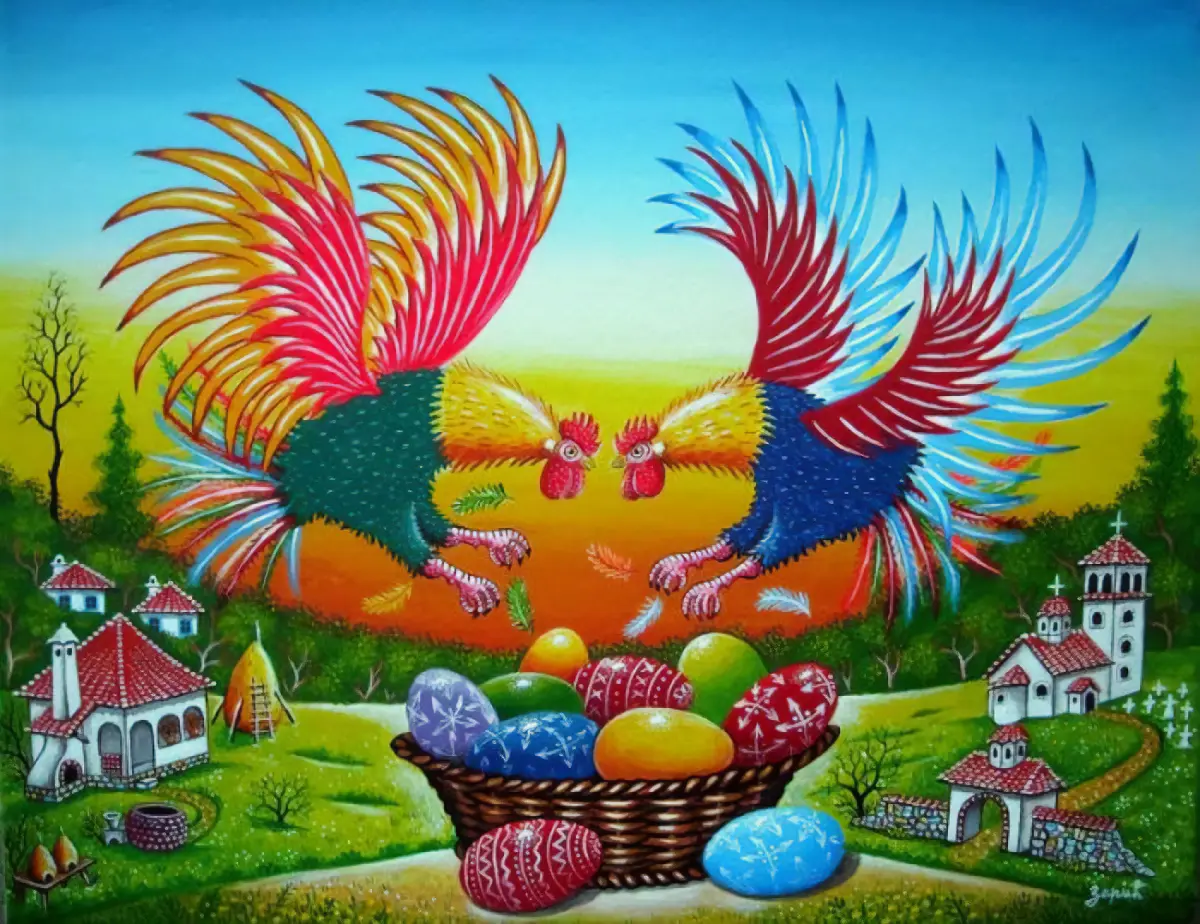
“Roosters Fight” Painting by Zoran Zarich Credit by Serbiana Art
Just a few years after the Berlin Wall fell, Yugoslavia dissolved, a major event in the broader political restructuring of Eastern Europe. After World War II, Yugoslavia decided to go its own way politically, rejecting alignment with the Soviet Union and the Warsaw Pact nations. It embraced what was known as Tito's "liberal socialism,” a path fraught with continual challenges and political brinksmanship. Unlike the essentially closed system of Soviet communism in relation to the global community, Yugoslavia maintained relatively permeable borders to encourage the exchange of ideas and influences with other nations. In this sense, Yugoslavia was a unique communist totalitarian model. The demise of Yugoslavia in the 1990s was accompanied by bloody civil wars, intensified national and ethnic tensions, United Nations sanctions on Serbia and Montenegro, and the NATO bombing of these states. Many lives were disrupted—people died, lost homes, or lived in poverty. While my family and I were among those who were fortunate to survive the frequent bombings overnight, our neighbors one block over were not as lucky. The town slept while the bombs fell on the neighbor's house. They have not survived. The event left a lasting impact on us.
After the collapse of the Milosevic regime in 2000, Serbia started its transition toward democracy and a market economy. During these times of profound change in national life—everything from communist totalitarianism and authoritarianism to civil war, U.N. sanctions, and democratic transition—I witnessed shifts in ideology, borders, economy, culture and politics first-hand. These changes raised questions for me about authority, totalitarianism, borders, equality, democratic values, justice, and how we can make sense of our world.
As a student at the University of Belgrade, I was taught to become free and independent in my thinking and to foster a critical view of the world in which we live, which I later passed on to my students. After earning a philosophy degree, I taught philosophy, sociology and civic education. As a teacher, I used new means to make philosophy accessible, interesting and popular among students and the general public. Because of a book shortage, I created a website for online learning, the only one of its kind in Serbia and Southeastern Europe, and one of the most visited websites by students and teachers there (2008).
Motivated by my thirst for knowledge, I continued my education in the United States. I faced early challenges, but I brought a wealth of experience, skills and dedication to the ideals of knowledge from my Eastern European heritage. As a graduate student, I experienced anti-immigrant violence when several men beat me for no reason, sending me to the hospital for emergency surgery. I lived in an old building, the only place I could afford as a worker, which caught fire and burned everything I had.
The survival skills that I developed growing up in a totalitarian regime during a war-torn period and my will to stay the course led me to my goals. I finished postgraduate studies in philosophy at Duquesne University in Pittsburgh, PA, while working nights to support myself. Afterward, I worked as the cultural outreach coordinator (2011-23) for one of the oldest Serbian-American fraternal societies in the United States (1901). The organization had started as a mutual aid society where poor immigrants, who worked the most difficult and dangerous jobs in coal mines and steel mills, pooled resources to care for their members' families when the backbreaking work inevitably led to disability or death for the sole family provider. To members of this society, cultural preservation was critically important and, until recently, was a cornerstone of the group's mission and vision.
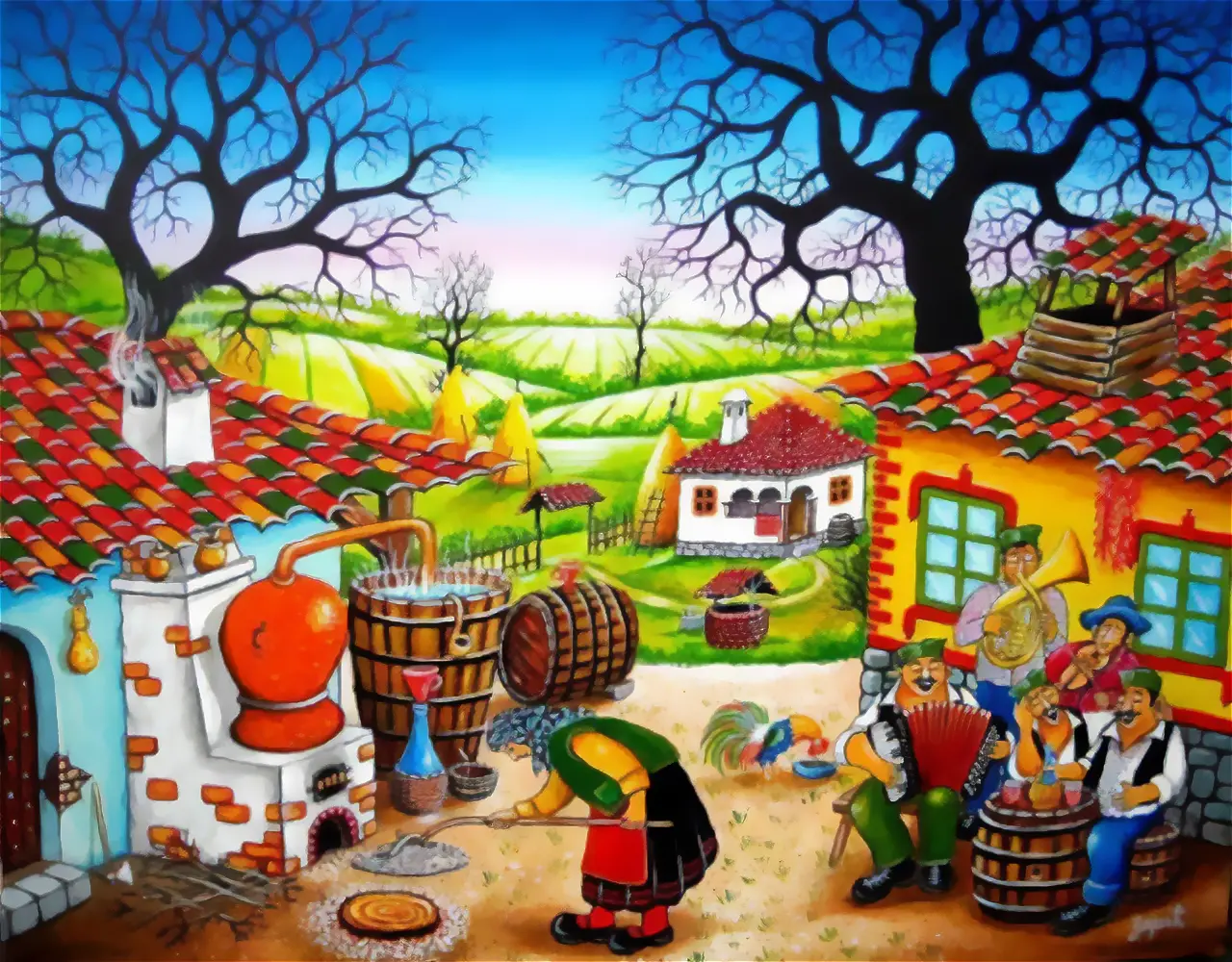
“A Cheerful Machine” Painting by Zoran Zarich Credit by Art Gallery Le Papillon
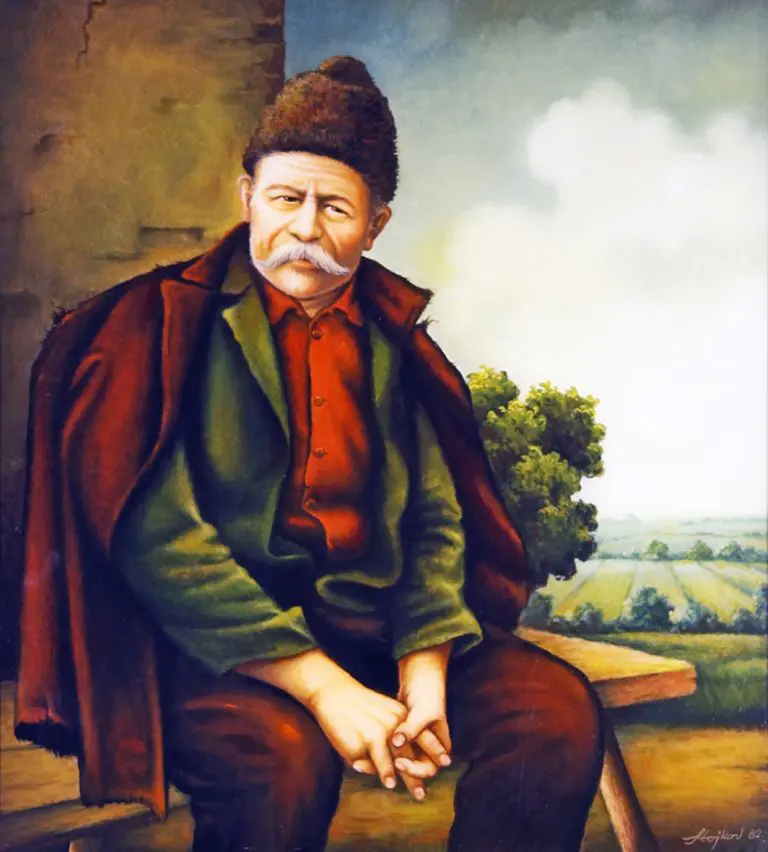
“Grandfather Milan” Painting by Sava Stojkov Credit by Ravnoplov
I built a cultural department from scratch to educate, preserve and protect Serbian culture and heritage in the United States so that the grandchildren and great-grandchildren of these hardworking families would not lose their cultural identities. By initiating and cultivating a relationship with the Library of Congress in Washington, D.C., I developed a partnership to preserve hard and digital copies of American Srbobran, the oldest continuously published Serbian newspaper in the world (1906). The newspaper is now preserved as part of the Library of Congress and National Library of Serbia's permanent collections. I also worked as a journalist at the American Srbobran in both languages and have had my writings published in numerous media in the United States and Serbia.
Since then, I have organized exhibitions, lectures, and meetings at the United States Capitol and State Department, and movie festivals at the University of Pittsburgh; as a Scholar-in-Residence at Duquesne University, I lectured at Harvard, Cambridge, and Columbia University, and published in journals associated with them; and I organized many other cultural events to introduce students, faculty and the public to Serbian culture and traditions. The movie festival expanded to include multiple Washington, D.C., and Boston locations.
I was also a screenwriter and the production manager of the feature documentary, Tesla Nation, about Serbian-Americans' accomplishments in the United States, which was qualified for the nomination for an Academy Award in 2020. In 2023, I wrote and produced another film, the History of the Serb National Federation. This documentary was the first movie about the society in its 120-year history. I proposed establishing a cultural diplomacy program within the Public Diplomacy of the Serbian Ministry of Foreign Affairs (2022) to strengthen the bonds between the United States and Serbia.
As a student at the MGIMO University in Moscow, Russia, I learned a great deal about Russia's foreign policy, culture, and social and political systems. My years studying the region have given me a unique and realistic perspective on how new security structures among Eurasia, Europe and the world can be built.
Through the centuries, global power had shifted from the East to the West, but has now begun to shift back from West to East. The more we understand about the Eastern European region, the more we can appreciate the complex interplay of cultures, influences, needs and ideas that have shaped its history. According to Samuel Huntington, political scientist, culture is “a divisive and a unifying force . . . . East European great historic cultural traditions vary significantly in the extent to which their attitudes, values, beliefs and related behavior patterns are conducive to the development of democracy.”
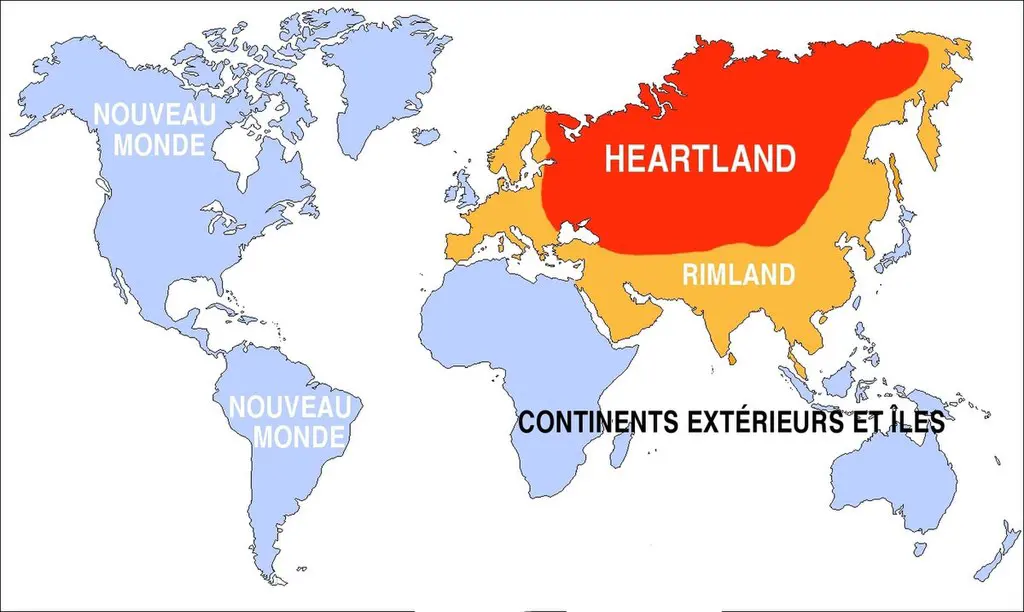
The region serves as a crucial crossroads, connecting Eurasia with the West, and vice versa. Those who understand Eastern Europe will find it easier to understand Eurasia in the 21st Century. Halford John Mackinder, the geographer, stressed the importance of Eastern Europe in the heartland theory: “Who rules East Europe commands the Heartland [Pivot Area-Eurasia]; who rules the Heartland commands the World-Island [Africa and Eurasia]; who rules the World-Island commands the world” (1919). By contrast, for Nicholas J. Spykman, the political scientist, Eastern Europe is part of both the Rimland (coastal regions that encircled the Heartland) and the Heartland: “Who controls the Rimland, controls Eurasia; who rules Eurasia controls the destinies of the world” (1943). Vladimir Ivanovich Lamansky, the historian, considered Eastern Europe part of the “Central World” because of significant accomplishments in its arts, religion, sciences, and other fields of knowledge (1916).
Map of world with Rimland and Heartland’s theories Credit by Wikipedia
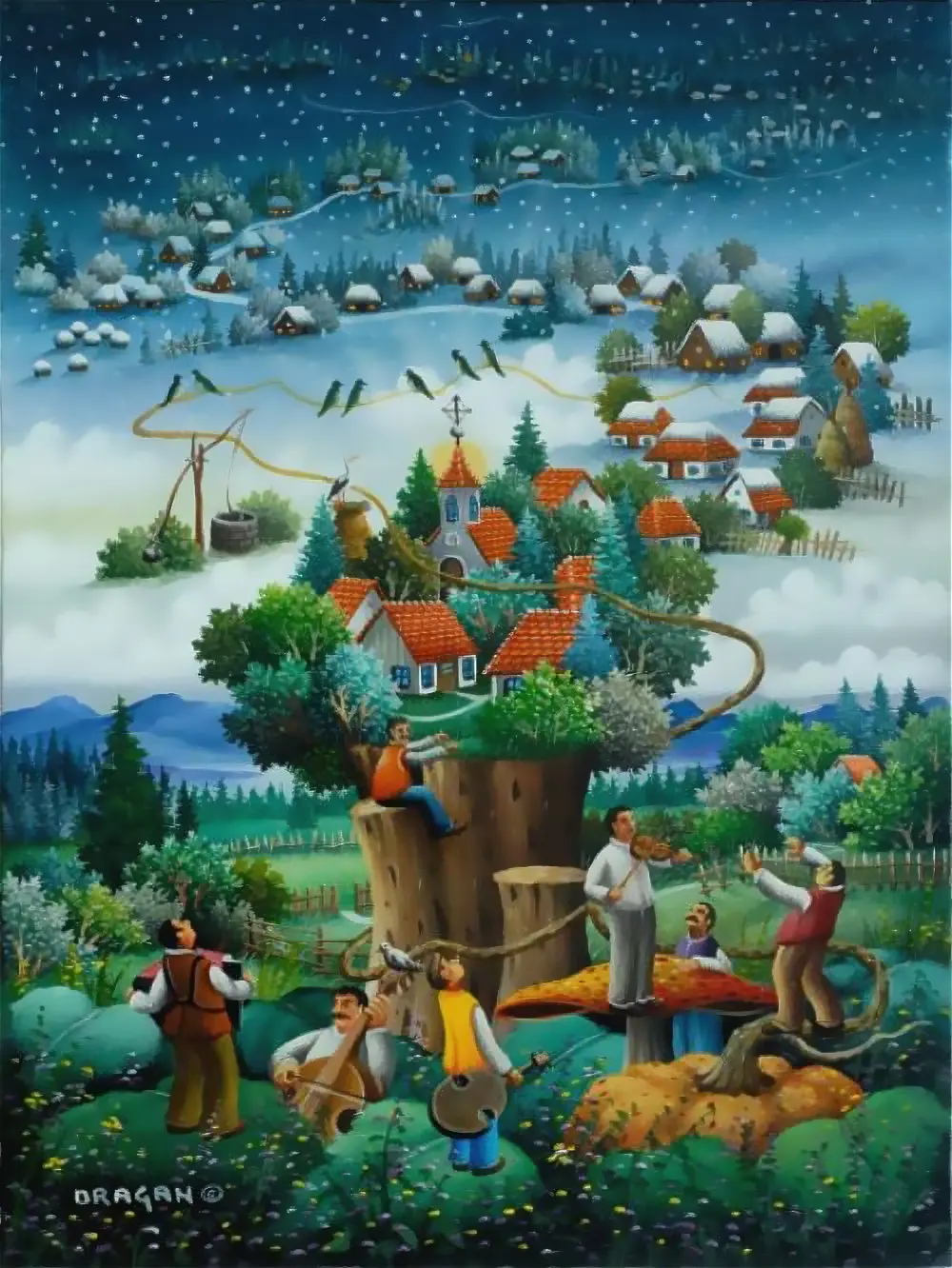
“A Tree” Painting by Dragan Mikhailovich Credit by Arta pentru oameni simpli
The future of the region depends upon peace through mutual understanding and cooperation among the political, religious and intellectual leaderships. My lived experiences across different stages of life in Yugoslavia, Serbia and now America, combined with my academic research and work through the American Council for Eastern Europe, have given me a unique perspective on this world dynamic. This perspective is deeply grounded in realism and offers insights into the evolving cultural, political, economic and social landscapes of Eastern Europe and beyond.
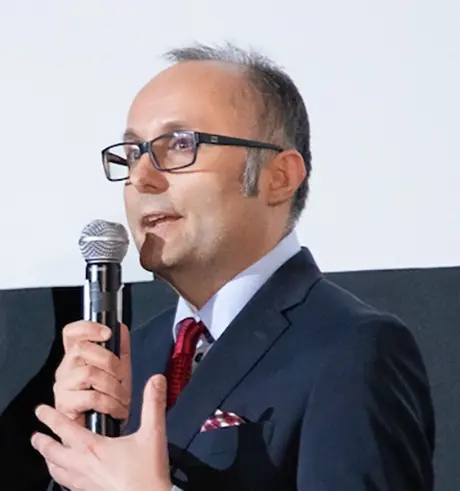
Milos Rastovic Founder & President
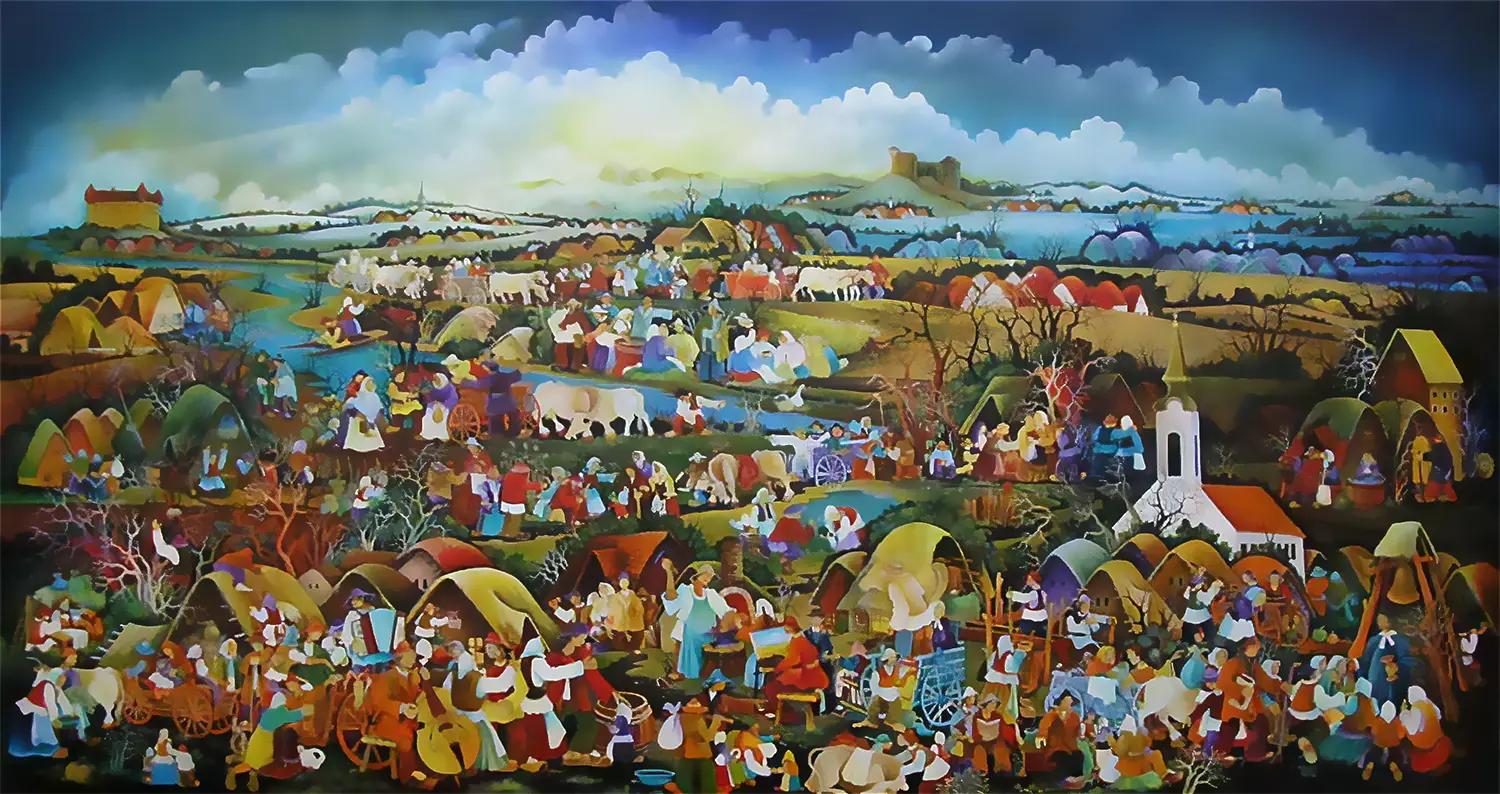
“200 Years of Kovacica” by Jan Glozik Credit by Fine Art America