Cultural Sites in Istanbul, Turkey
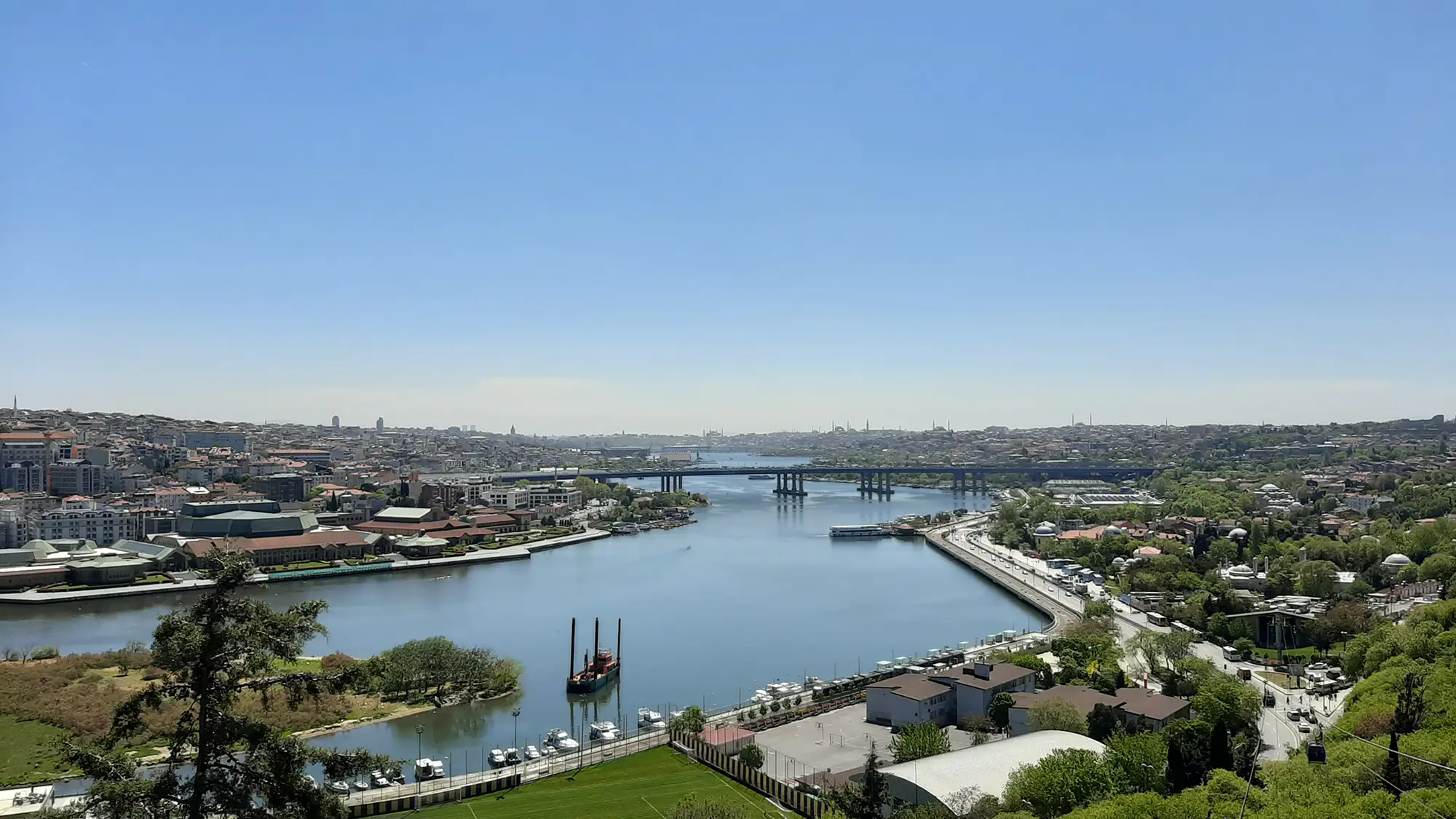
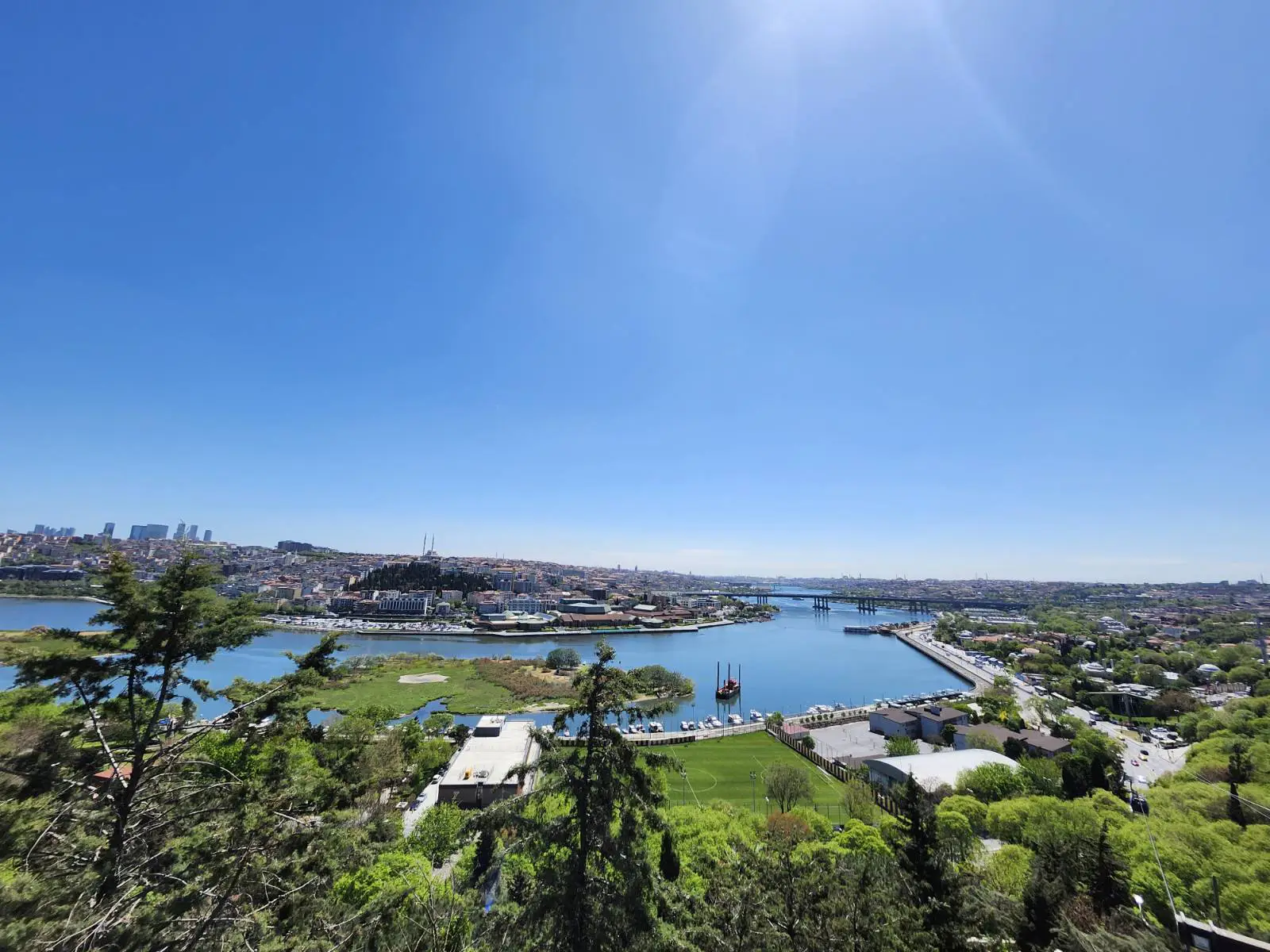
Istanbul is the largest and most populous city in Turkey, with a population exceeding 15 million people. What makes Istanbul unique among world cities is its geographical position: it is the only city in the world that spans two continents, Europe and Asia, separated by the Bosphorus Strait. This strategic location has made Istanbul an important political, economic, and cultural crossroads throughout history.
Historically, Istanbul has been known by several names, the most famous being Constantinople, which it received in 330 AD when it became the capital of the Roman Empire under Emperor Constantine the Great. Over the centuries, the city served as the capital and major center of several powerful empires, including the Roman, Byzantine, Latin, and Ottoman Empires. Each of these civilizations left lasting architectural, cultural, and artistic influences that continue to shape the city today.
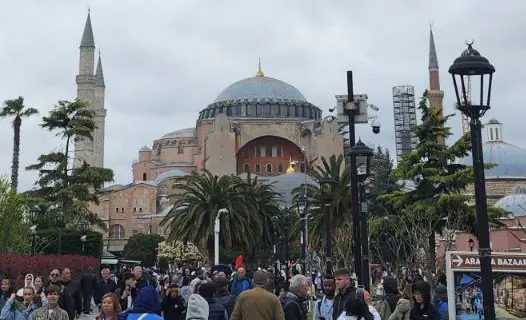
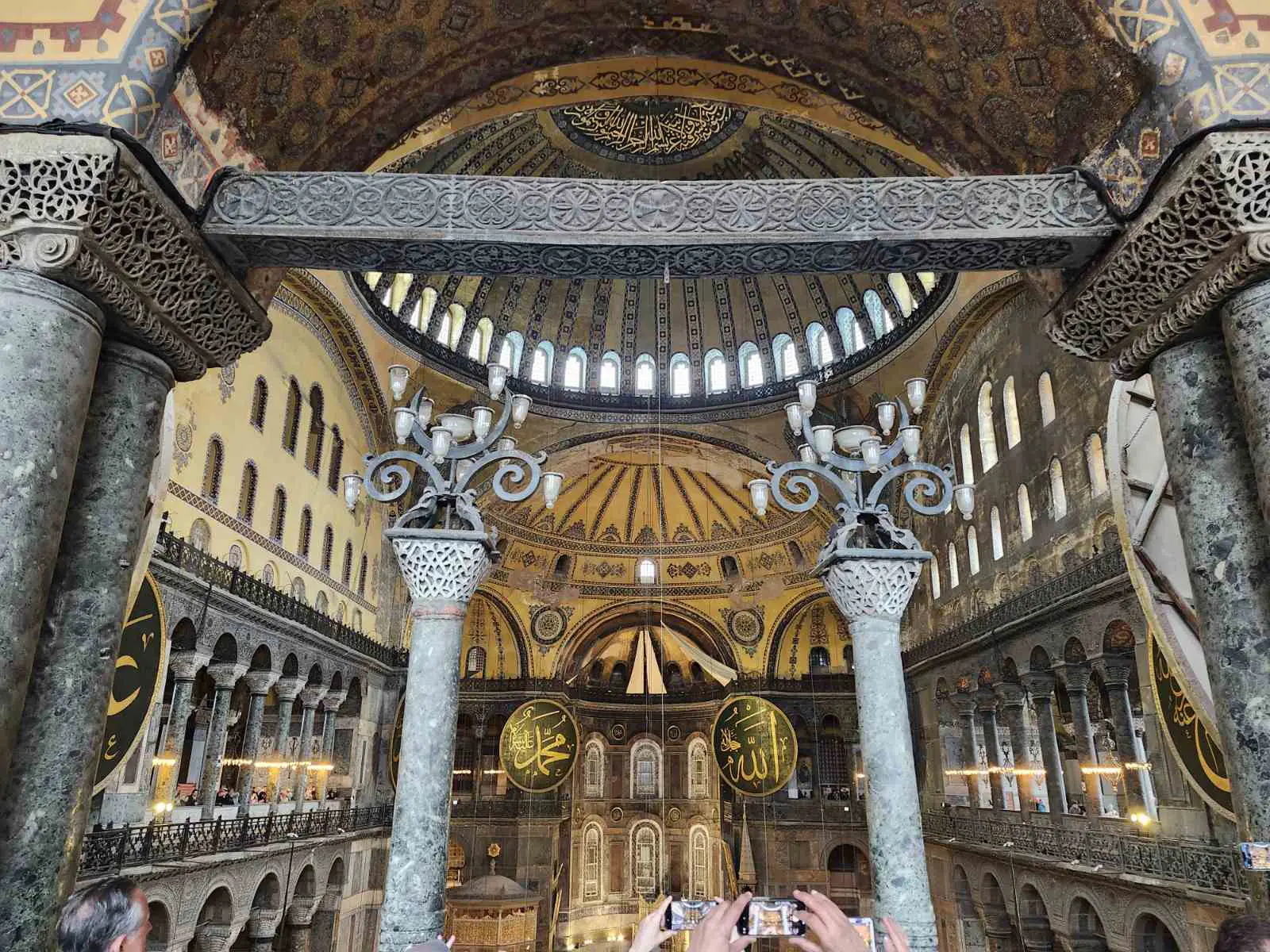
One of the most iconic landmarks of Istanbul is Hagia Sophia, completed in 537 AD during the reign of the Byzantine Emperor Justinian I. Originally built as a church, Hagia Sophia is considered a masterpiece of Byzantine and Eastern Orthodox architecture, particularly admired for its massive dome and innovative design. Throughout history, it served different religious functions and became a global symbol of Byzantine civilization and Eastern Orthodox Christian tradition, as well as an important cultural monument recognized worldwide.
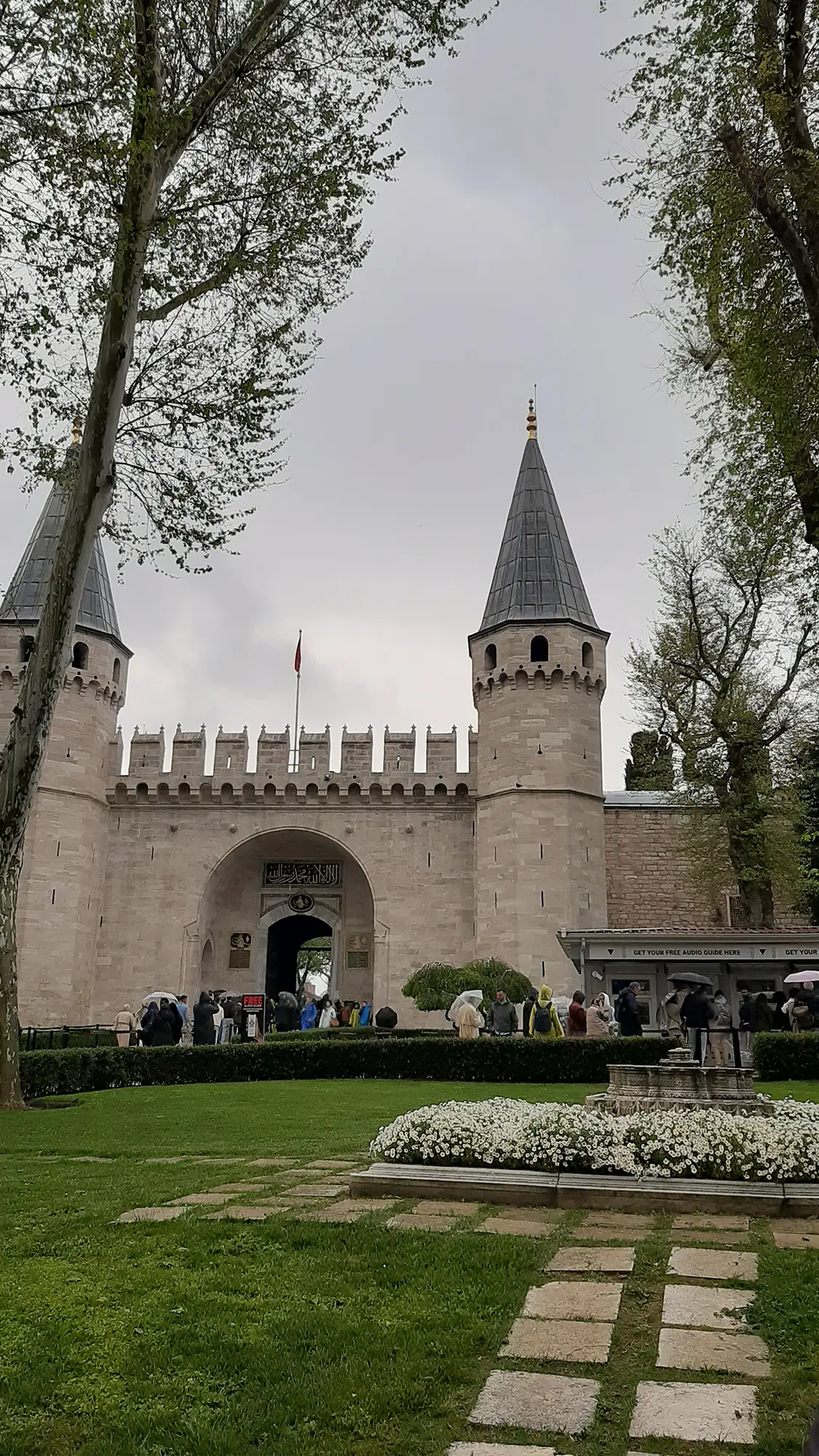
Another significant historical site is Topkapı Palace, which dates back to the Ottoman Empire. Built in 1478 by Sultan Mehmed II (also known as Fatih Sultan Mehmed) shortly after the Ottoman conquest of Constantinople, the palace served as the main administrative center and royal residence of the Ottoman sultans for nearly 400 years. Today, Topkapı Palace houses museums displaying valuable collections, including royal garments, weapons, manuscripts, and personal belongings of the sultans who lived and ruled there.
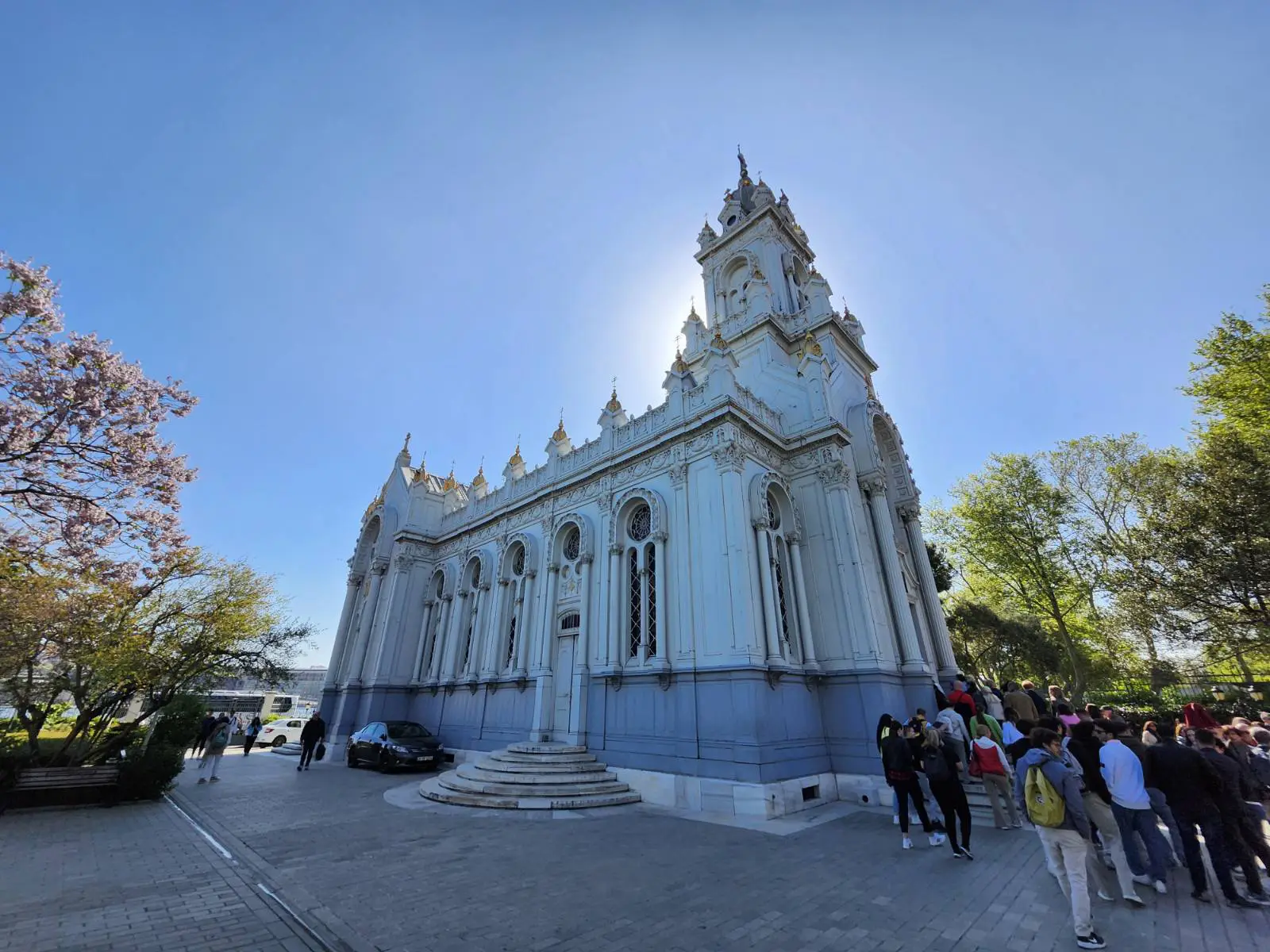
The Bulgarian St. Stephen Orthodox Church, commonly known as the Bulgarian Iron Church, is an important religious and architectural landmark located in the Balat district of Istanbul. The church is especially notable for its unique construction, as it is built almost entirely from prefabricated cast iron components, making it one of the few iron churches in the world. Designed in the Neo-Byzantine architectural style, the structure reflects both traditional Orthodox design elements and innovative 19th-century engineering techniques.
Originally, the site housed a small wooden church dedicated to Stephan Bogoridi, a prominent Bulgarian statesman who played a significant role in supporting the Bulgarian Orthodox community within the Ottoman Empire. The church acquired its present appearance in 1898, when the wooden building was replaced by a new structure made of steel and metal panels. Today, the Bulgarian St. Stephen Orthodox Church stands as a symbol of the Bulgarian Orthodox heritage in Istanbul and represents a remarkable blend of religious tradition, industrial technology, and architectural innovation.
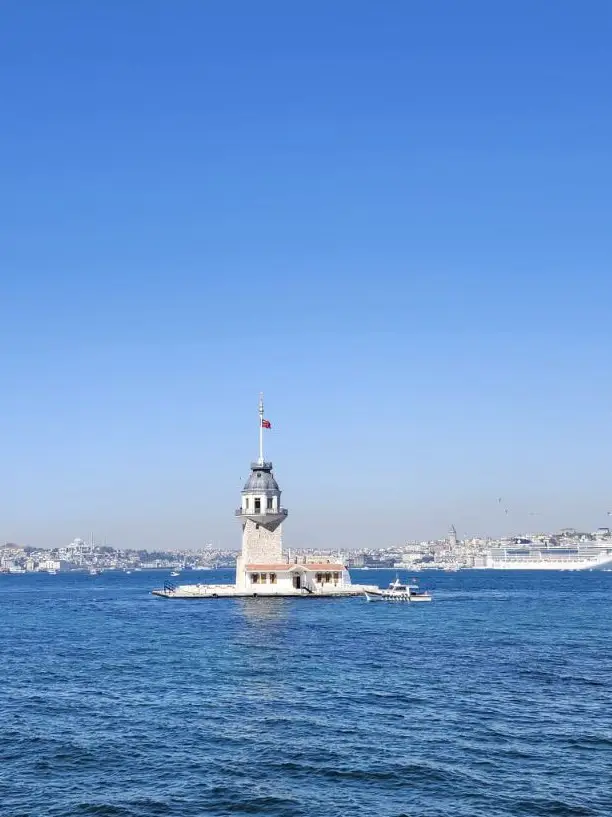
The Maiden’s Tower, also known as Leander’s Tower, is another important landmark with origins dating back to the Byzantine period. Located on a small islet in the Bosphorus, the tower was initially constructed as a defensive structure to control maritime traffic. Over time, it was used for various purposes, such as a lighthouse, watchtower, and quarantine station during both the Byzantine and Ottoman periods. The tower is also associated with many legends and has become one of Istanbul’s most romantic and recognizable symbols.
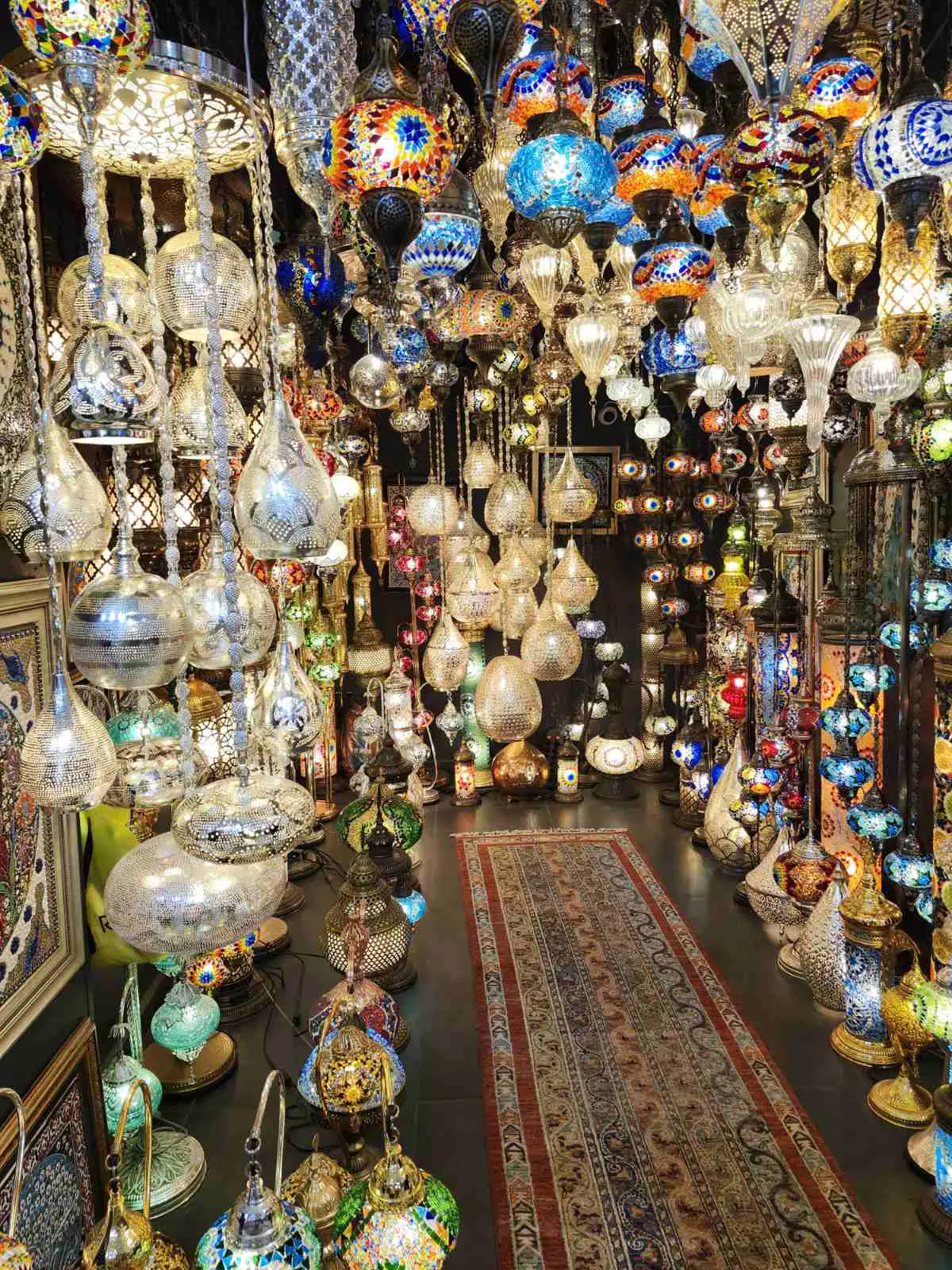
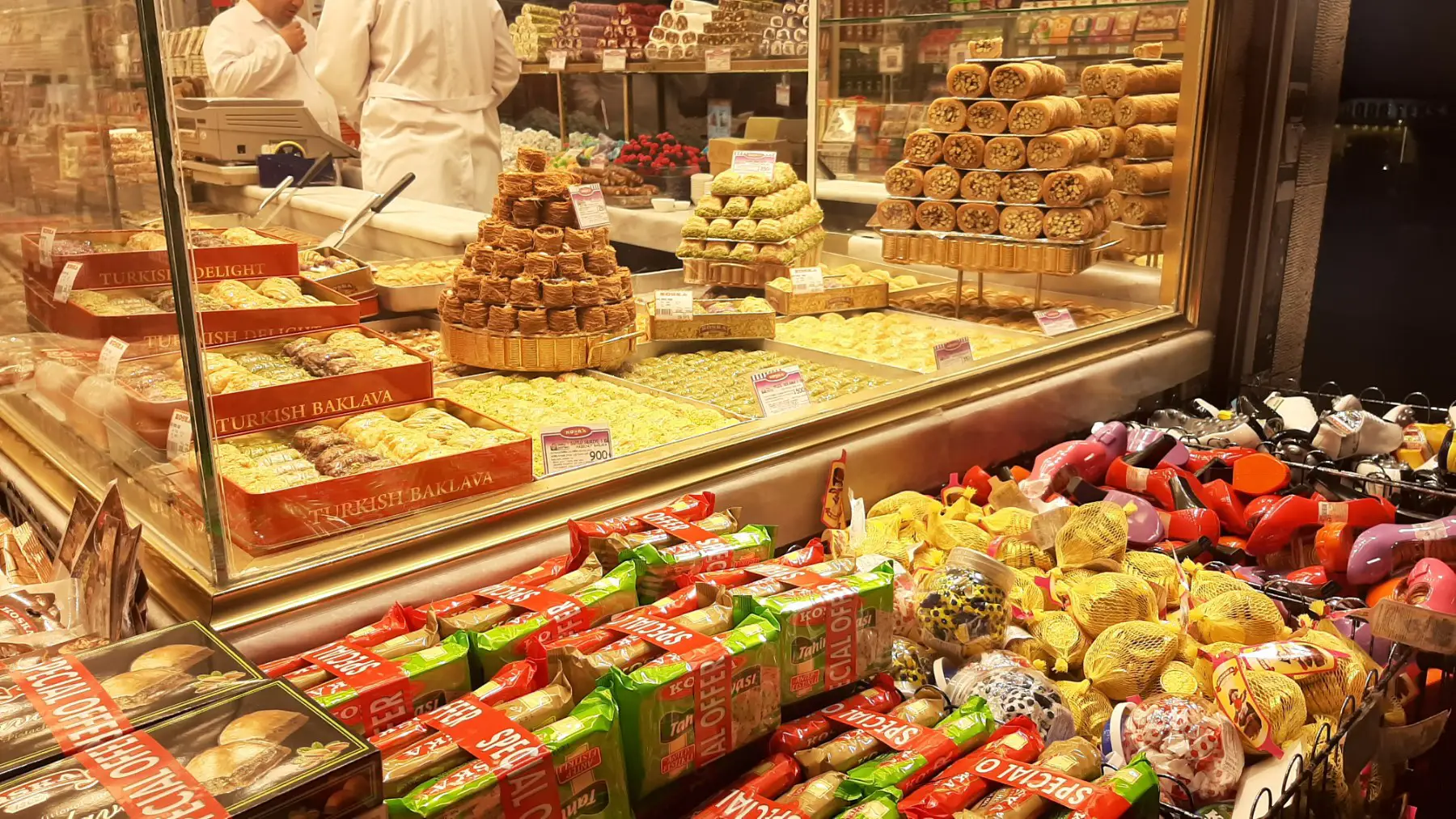
The Grand Bazaar is one of Istanbul’s most famous tourist attractions and is considered one of the oldest and largest covered markets in the world. Its construction began in 1460 under the orders of Fatih Sultan Mehmed. Designed as a commercial center to support the Ottoman economy, the bazaar has expanded over time and now contains thousands of shops. Visitors can find a wide range of goods, including handmade crafts, jewelry, carpets, clothing, spices, food items, and souvenirs, making it an essential part of Istanbul’s cultural and economic life.