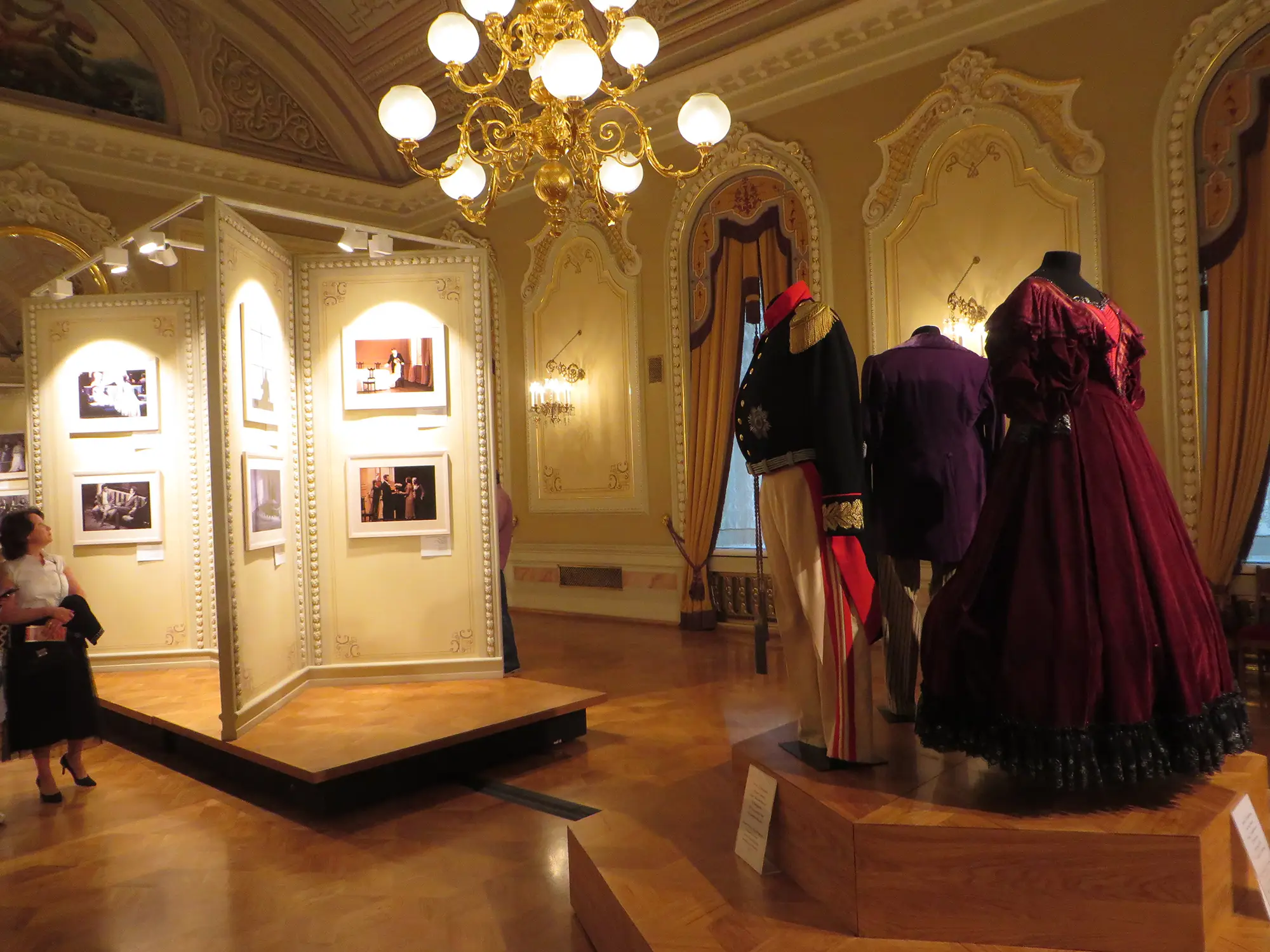
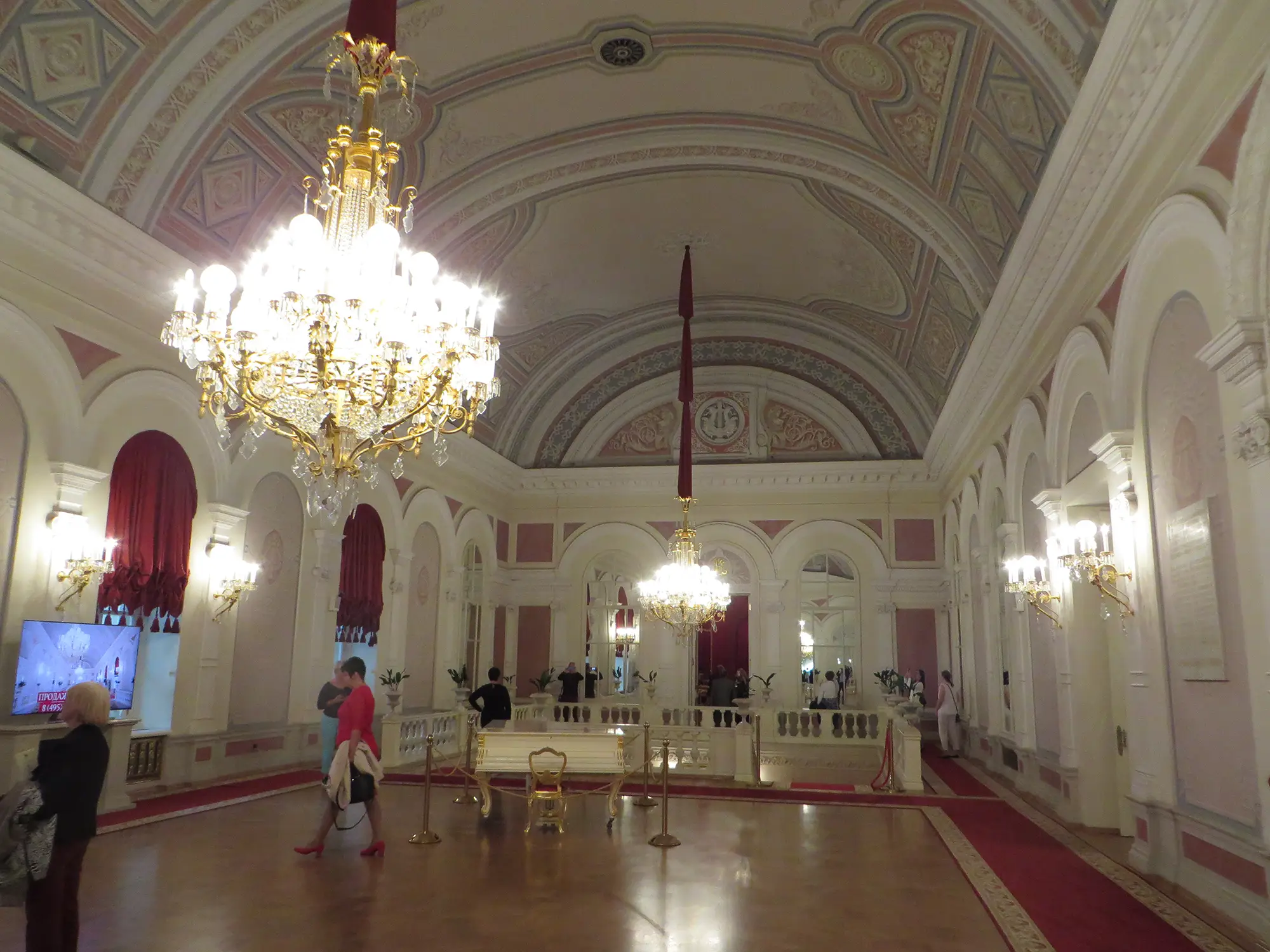
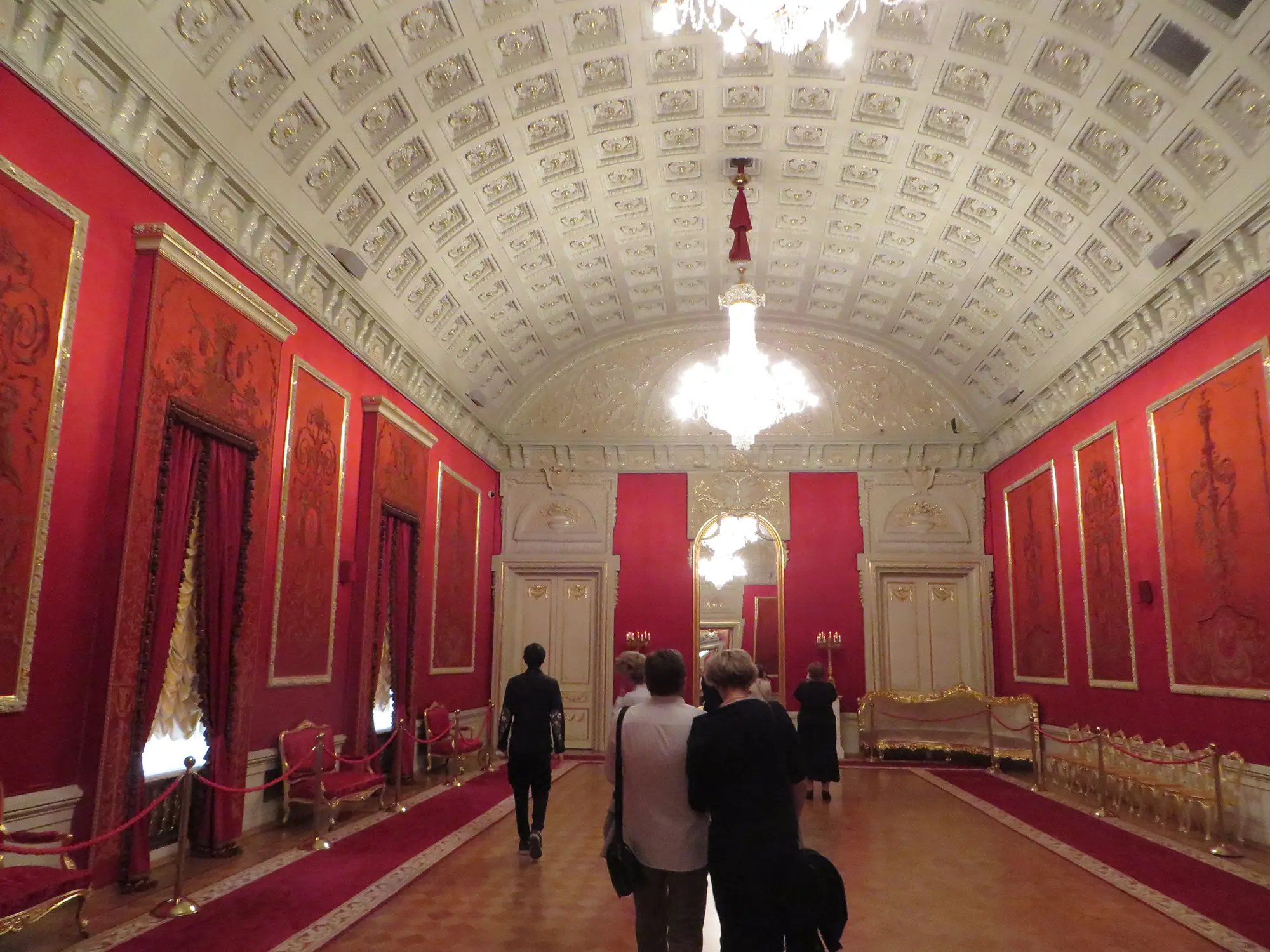
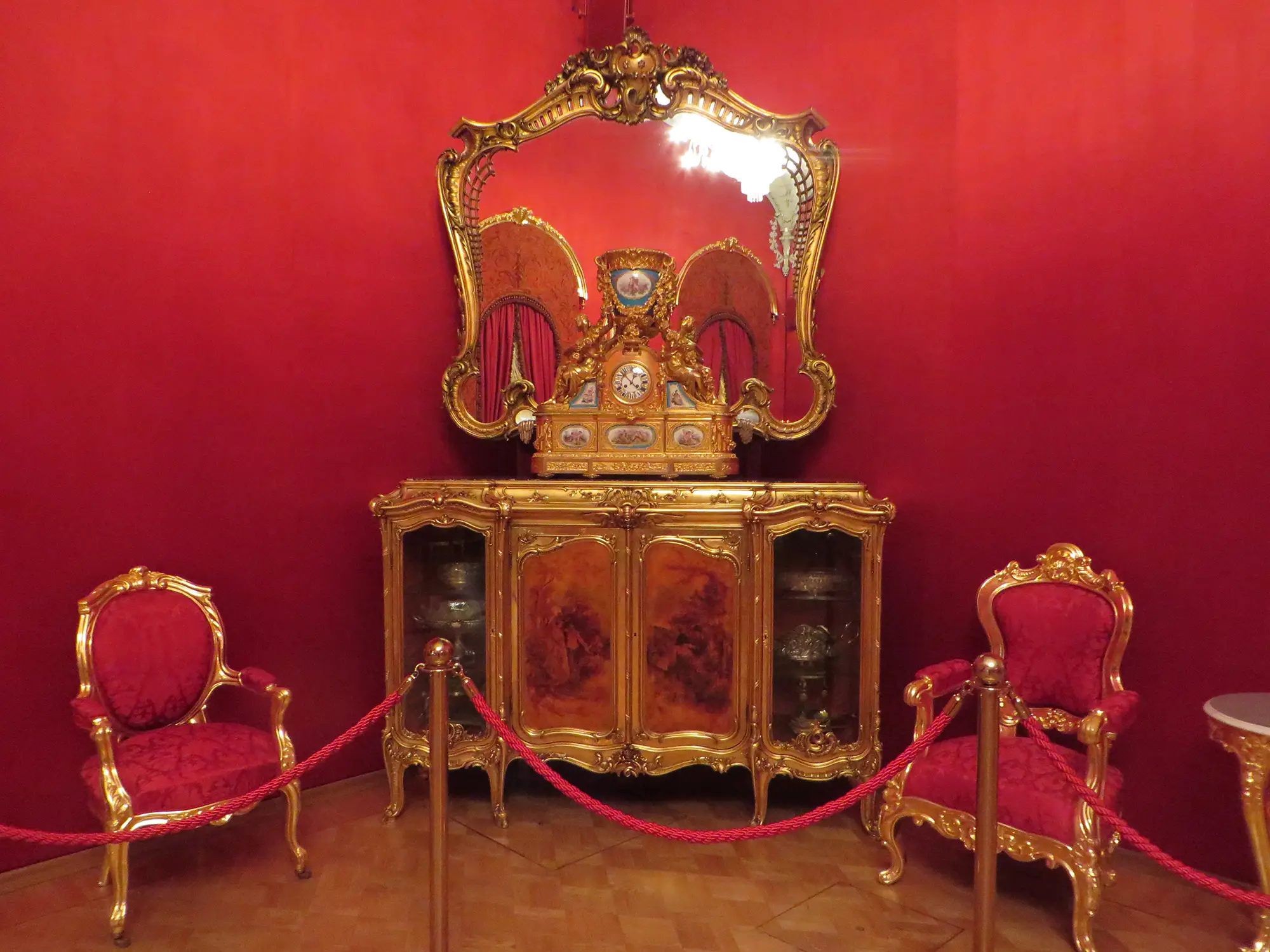
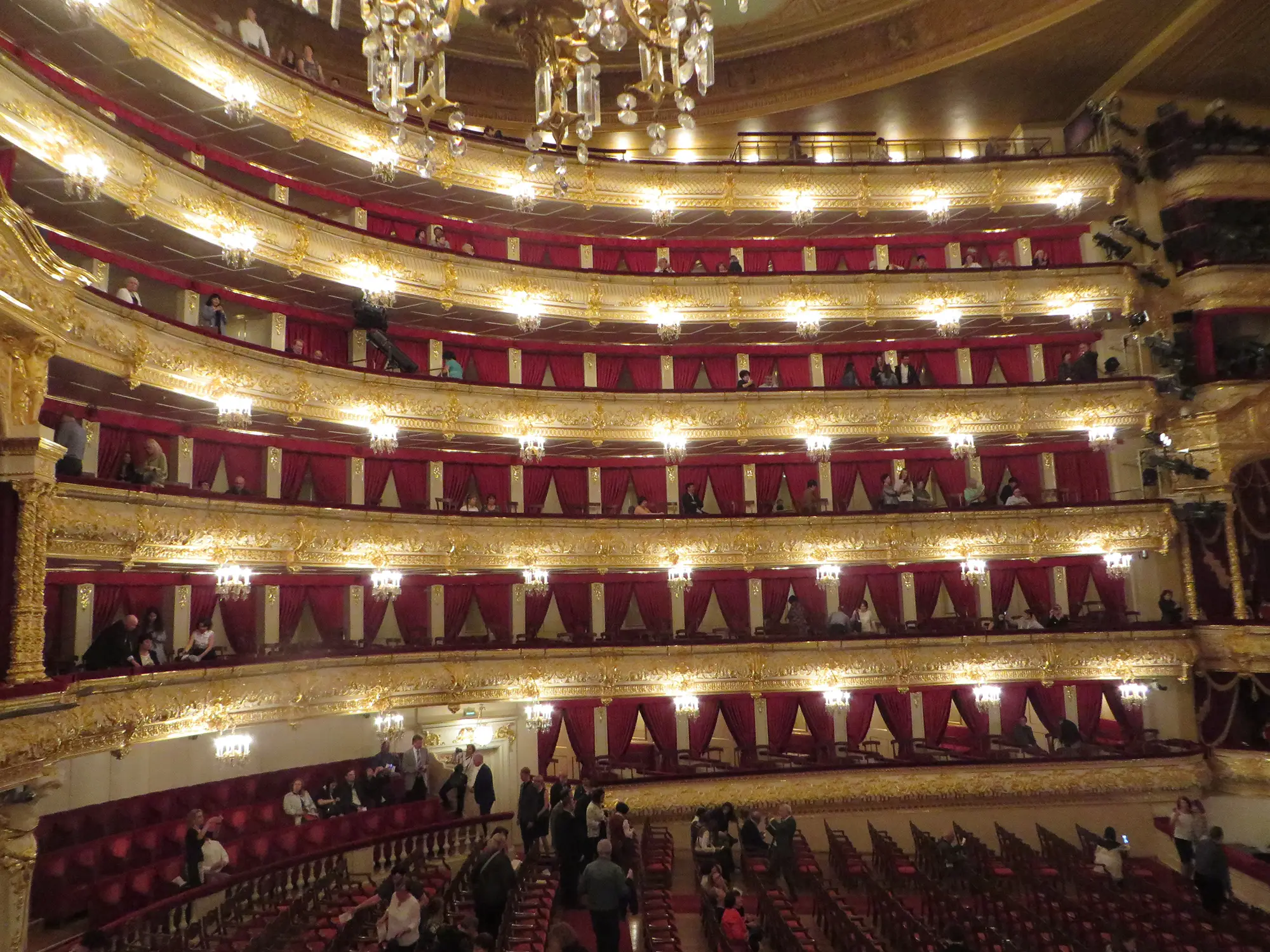
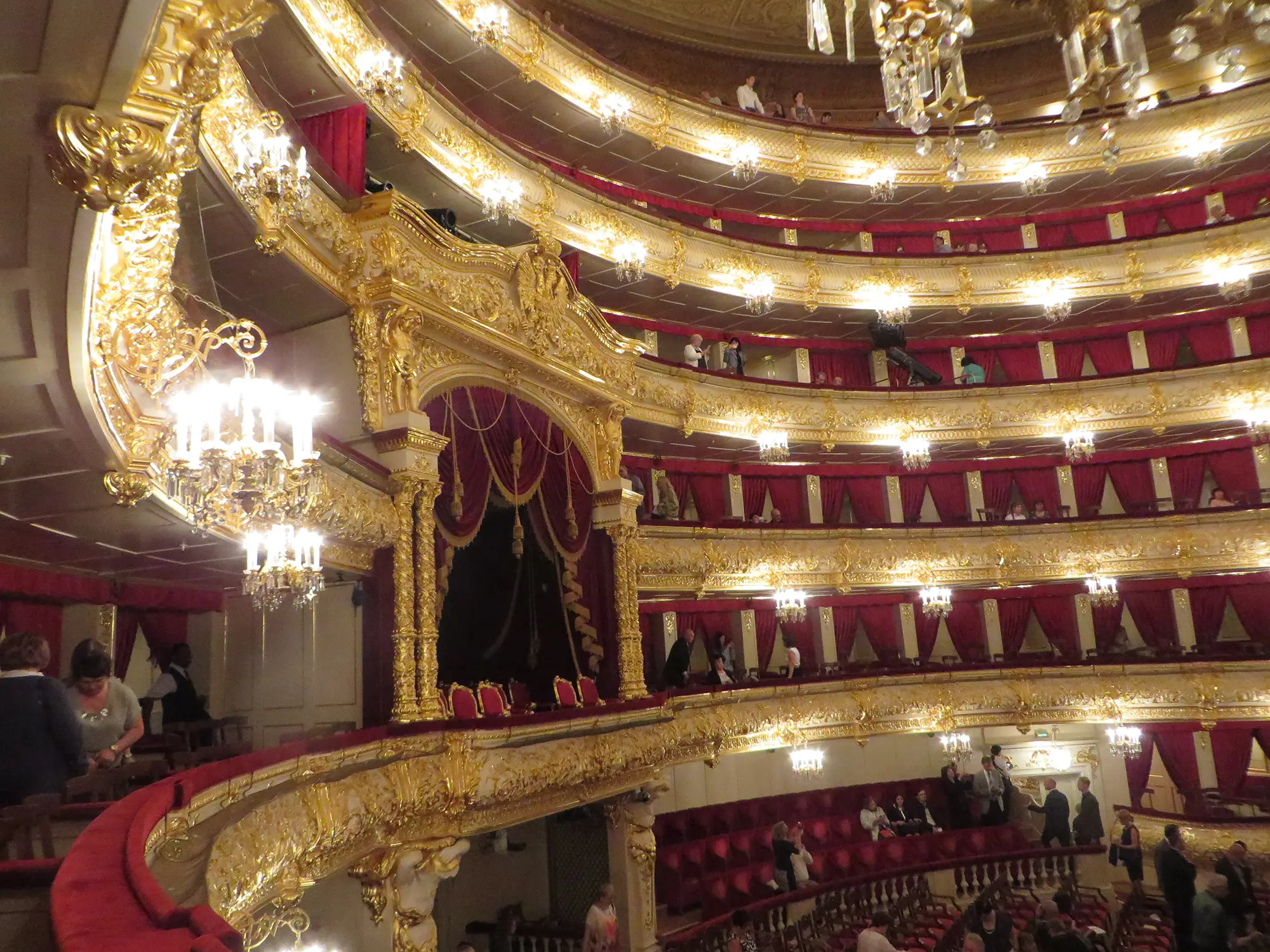
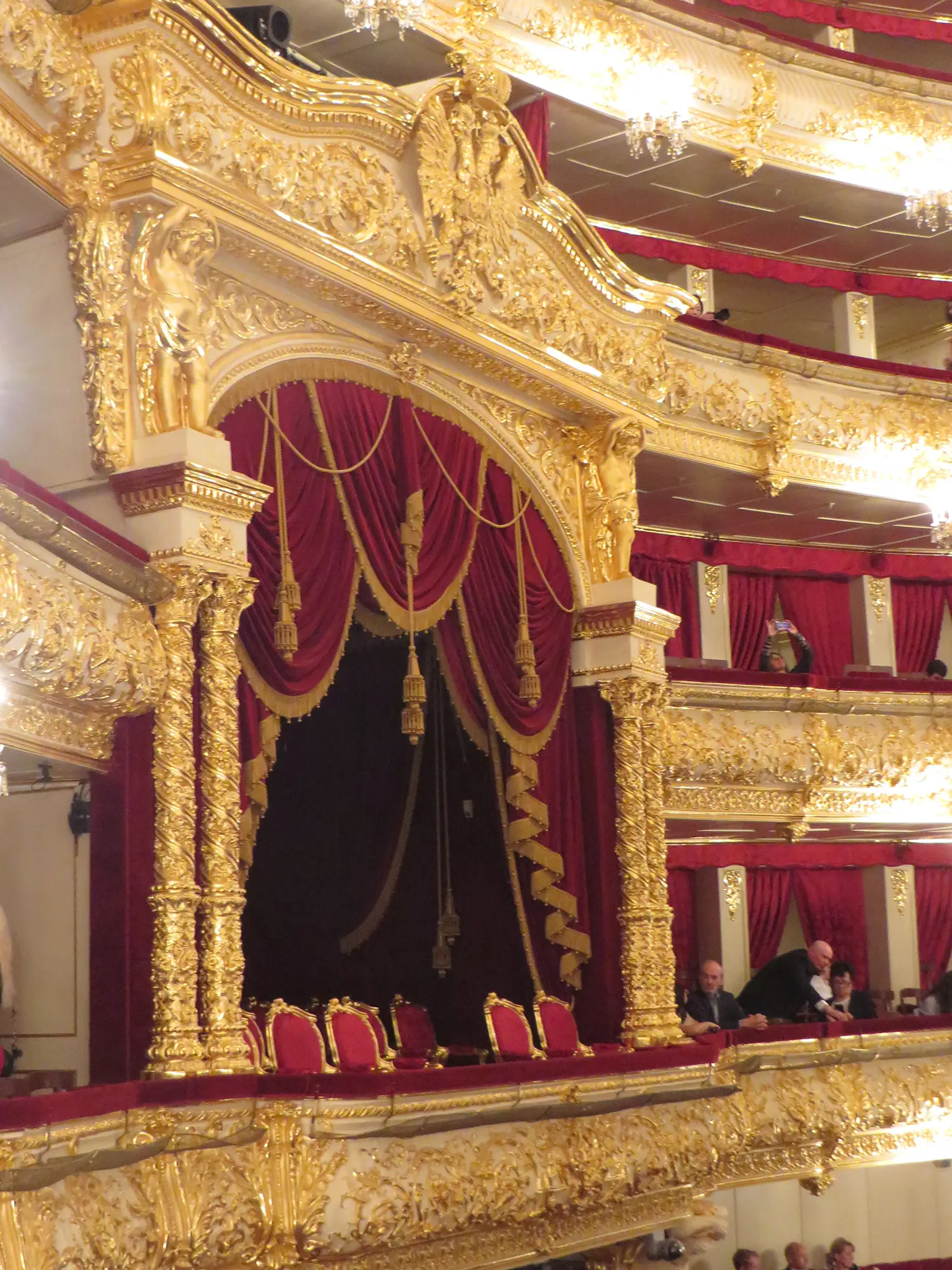
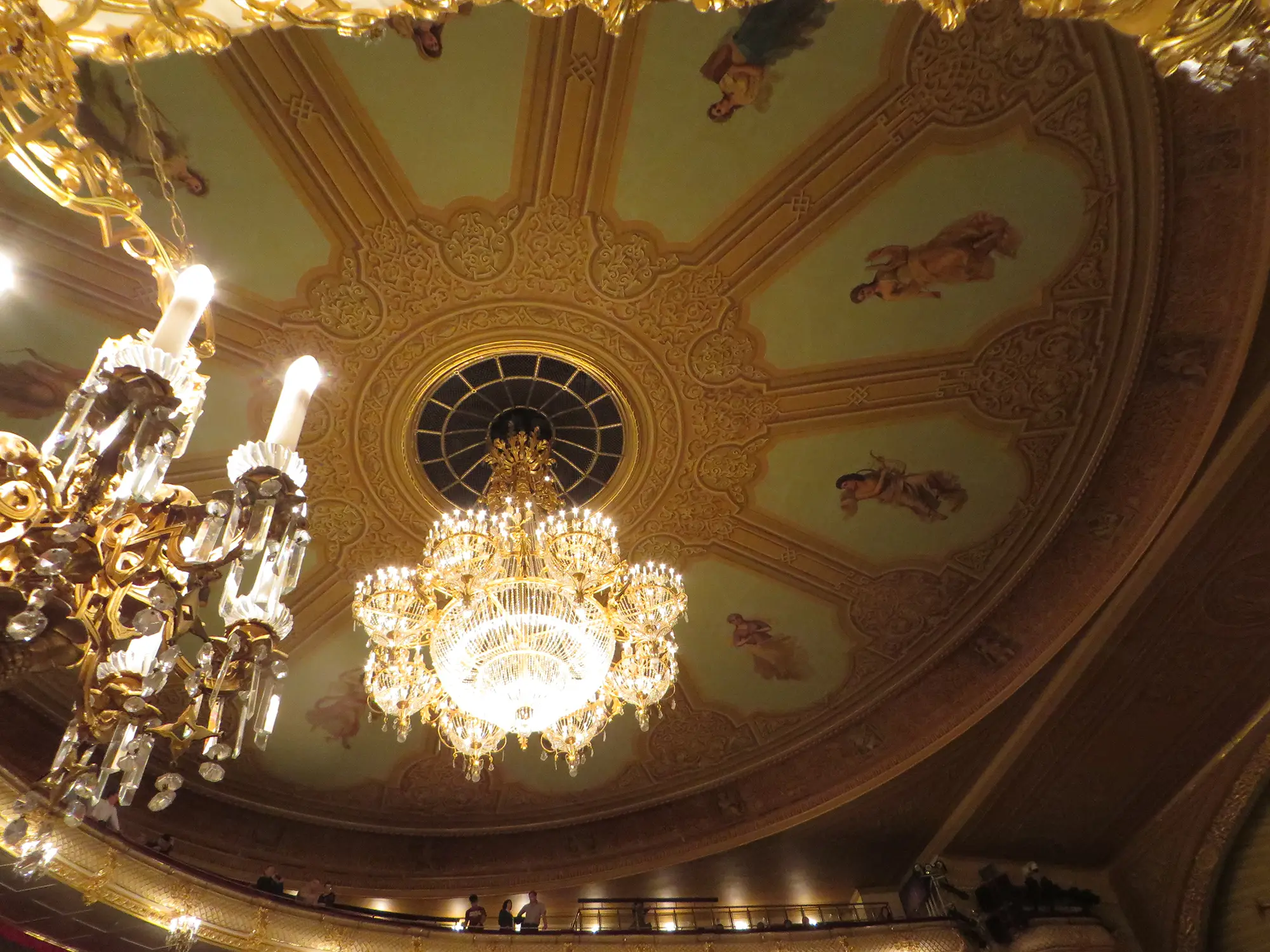
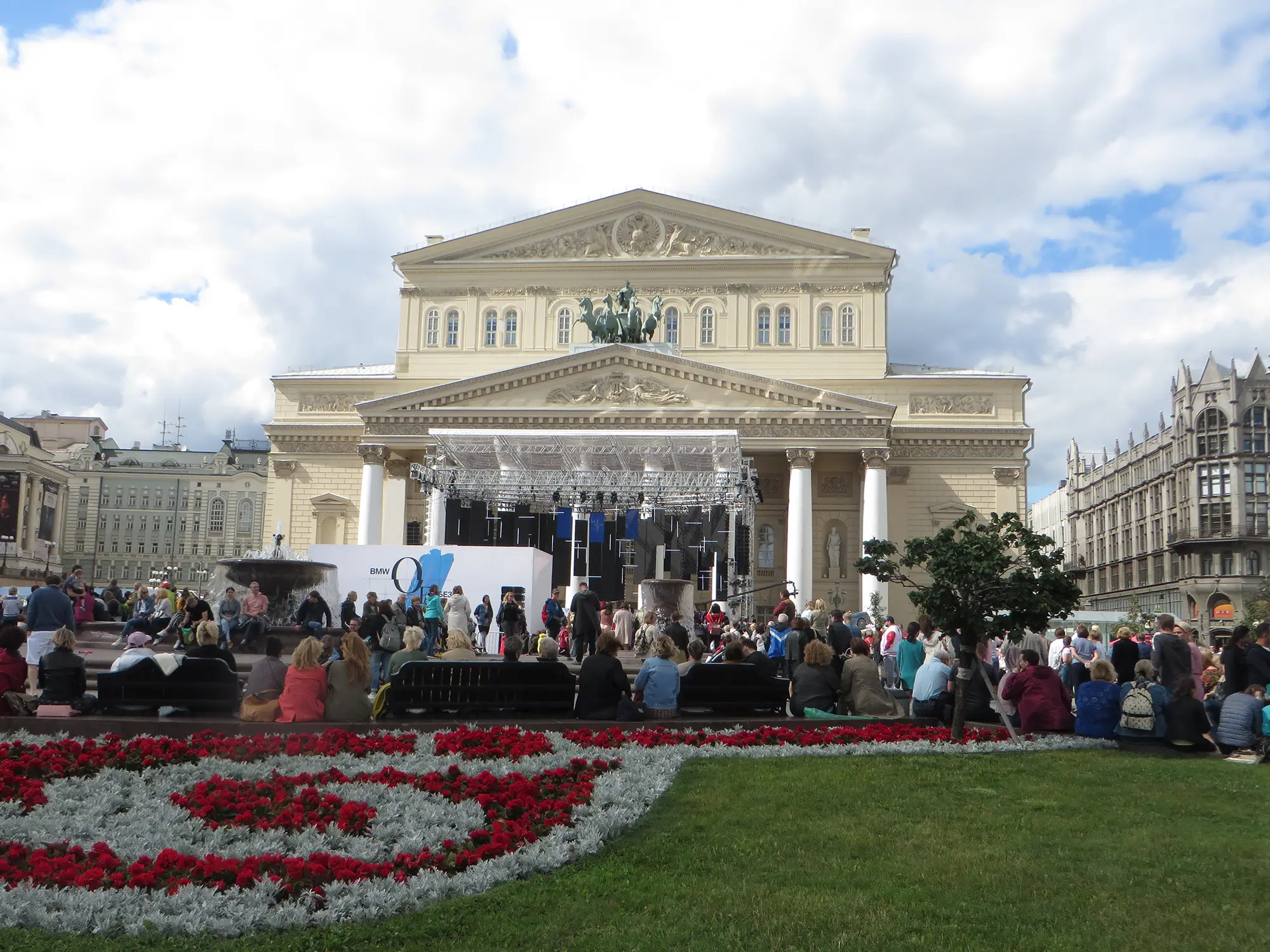
The Bolshoi Theatre, Moscow, Russia
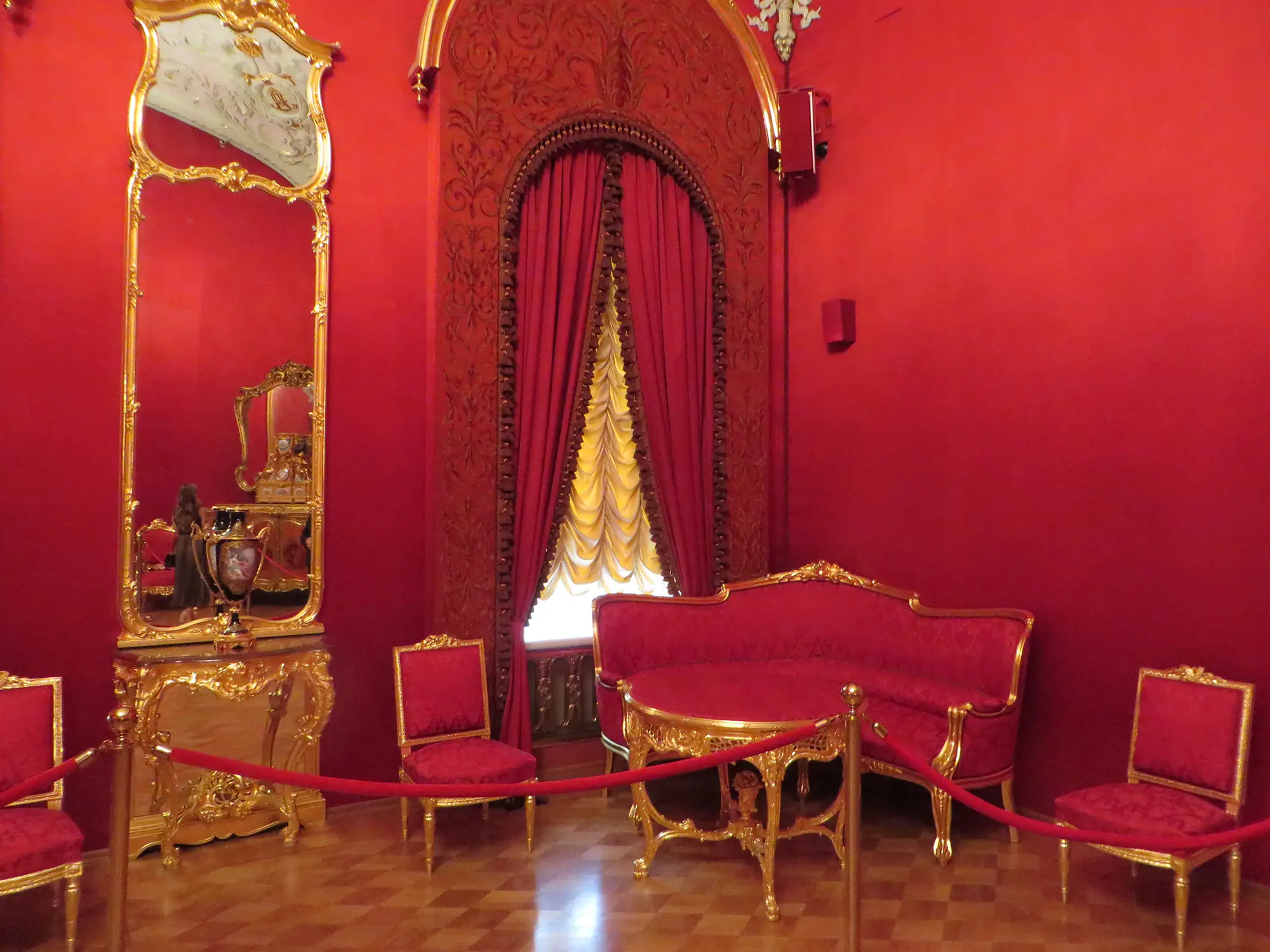
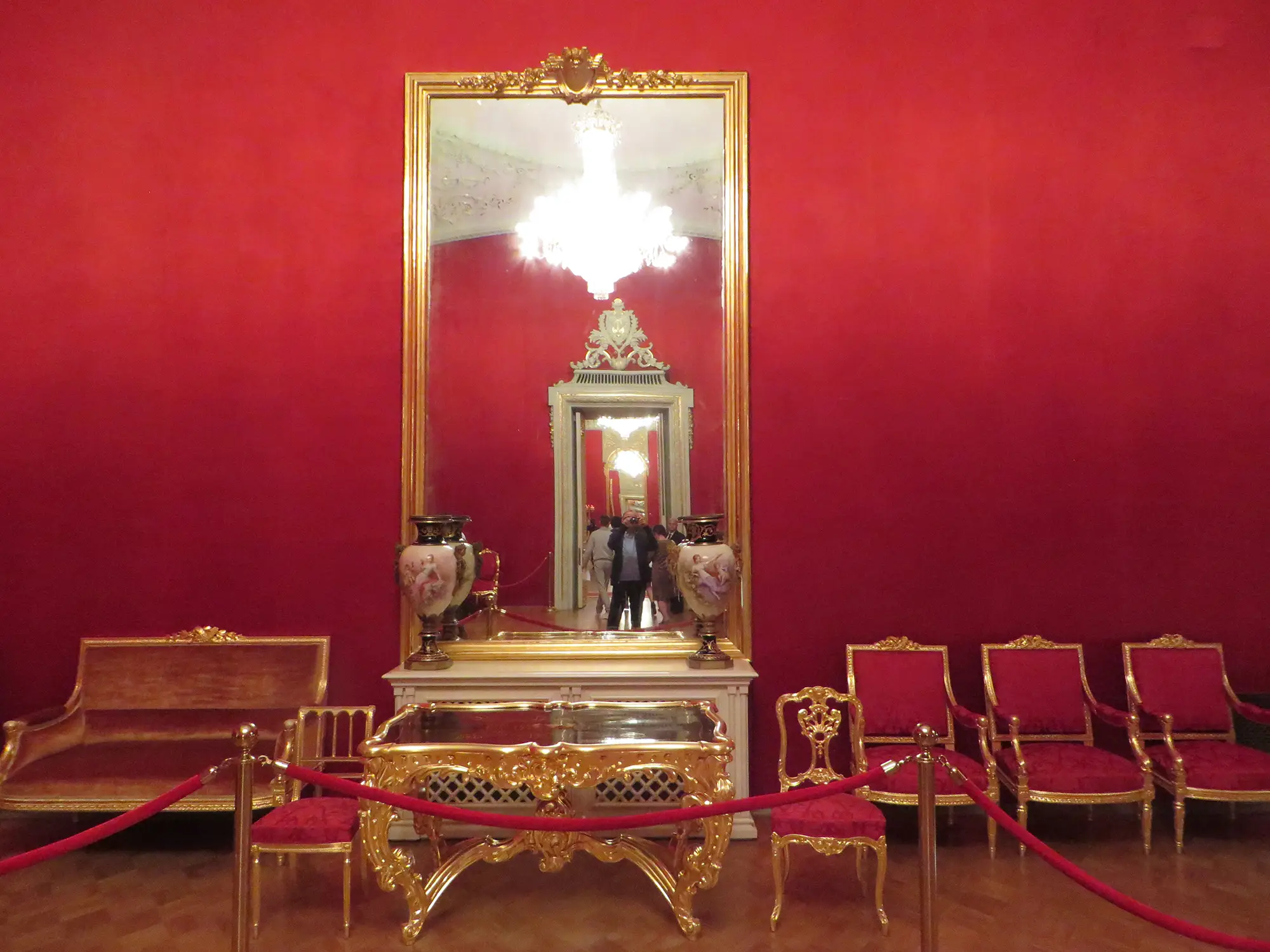
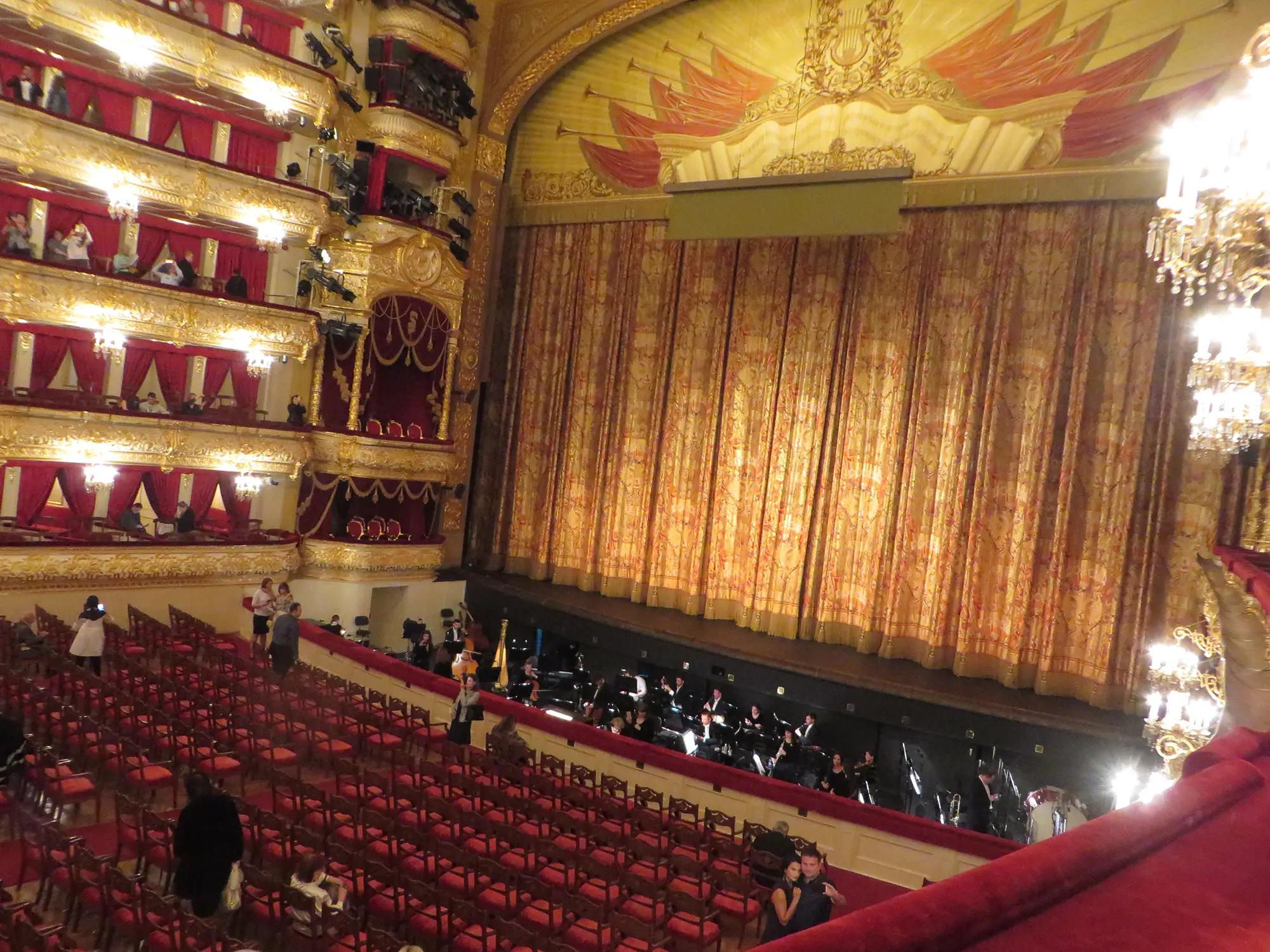
The Bolshoi Theatre, meaning “Large Theatre,” is a historic opera house in Moscow and one of Russia’s most important cultural institutions. Designed by architect Joseph Bové, it is internationally recognized as the home of the Bolshoi Ballet and Bolshoi Opera, two of the oldest and most prestigious performing companies in the world.
The origins of the Bolshoi Theatre date back to 1776, when Empress Catherine II granted Prince Peter Urusov the right to organize theatrical performances and public entertainment in Moscow. After an early theatre was destroyed by fire, a new venue opened on Petrovka Street in 1780 and became known as the Petrovsky Theatre. This marked the beginning of a continuous tradition of theatrical and operatic performances that later evolved into the Bolshoi Theatre.
Throughout its early history, the theatre suffered repeated destruction. In response, a new and more monumental building was constructed between 1821 and 1824 under the supervision of Joseph Bové. The theatre officially reopened in 1825 as the Bolshoi Petrovsky Theatre and quickly became a major center for Russian performing arts.
Initially, the repertoire focused exclusively on Russian works, reflecting national cultural identity. By the 1840s, however, operas and ballets by foreign composers were introduced, expanding the theatre’s artistic scope and strengthening its international reputation.
During World War II, the Bolshoi Theatre was temporarily evacuated to Kuibyshev (now Samara), where performances continued despite wartime conditions. After the Moscow building suffered bomb damage, restoration work was carried out, and the theatre reopened in 1943 with a performance of Glinka’s opera A Life for the Tsar, symbolizing cultural resilience.
From a company of approximately 40 artists in the late 18th century, the Bolshoi Theatre has grown into a major institution with over 900 artists today. Its lasting influence on the development of Russian opera and ballet has made it a global symbol of artistic excellence and a central venue for experiencing the richness of Russian music, dance, and theatrical tradition.