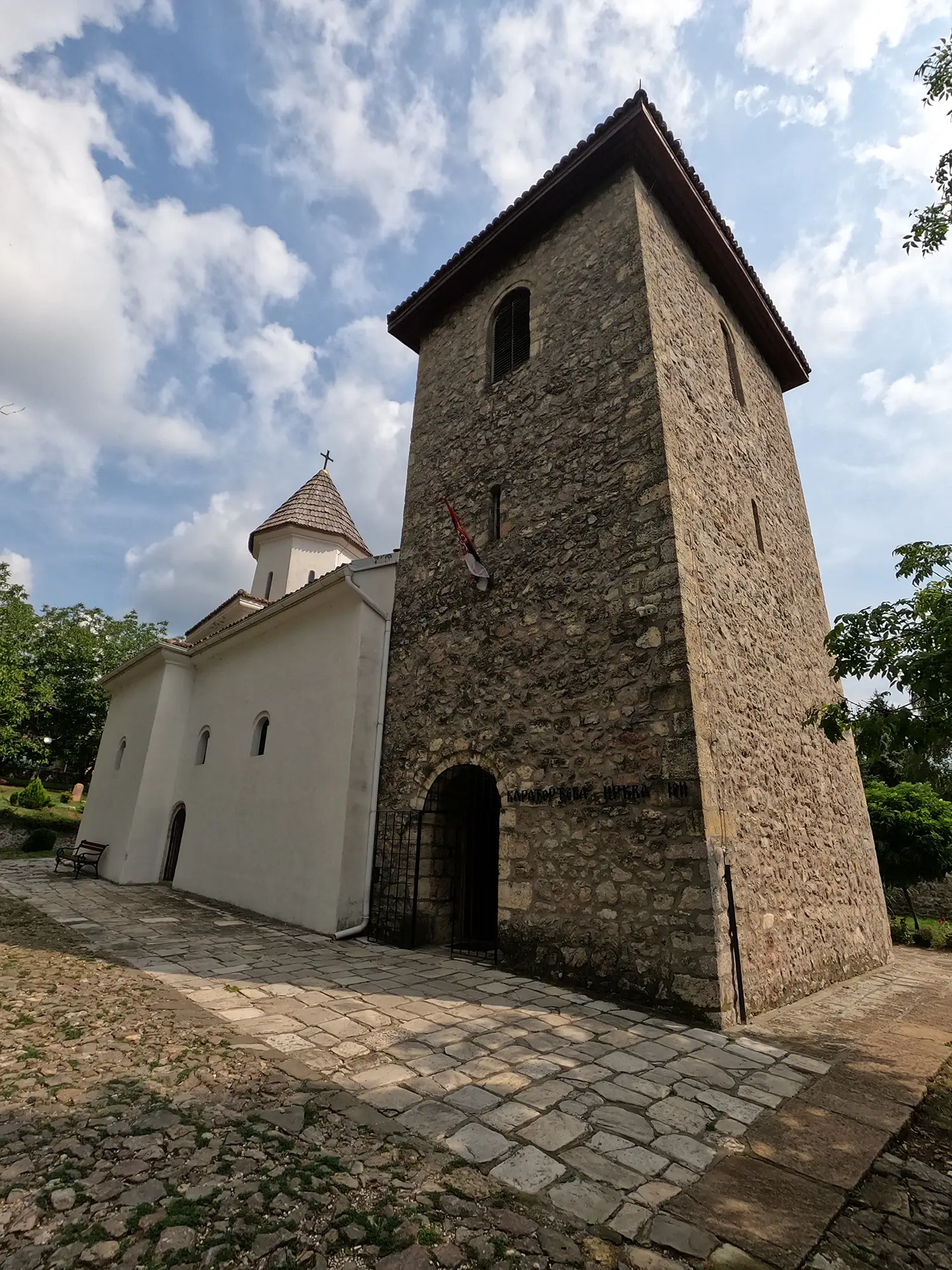
Karadjordje's Town, Topola, Serbia
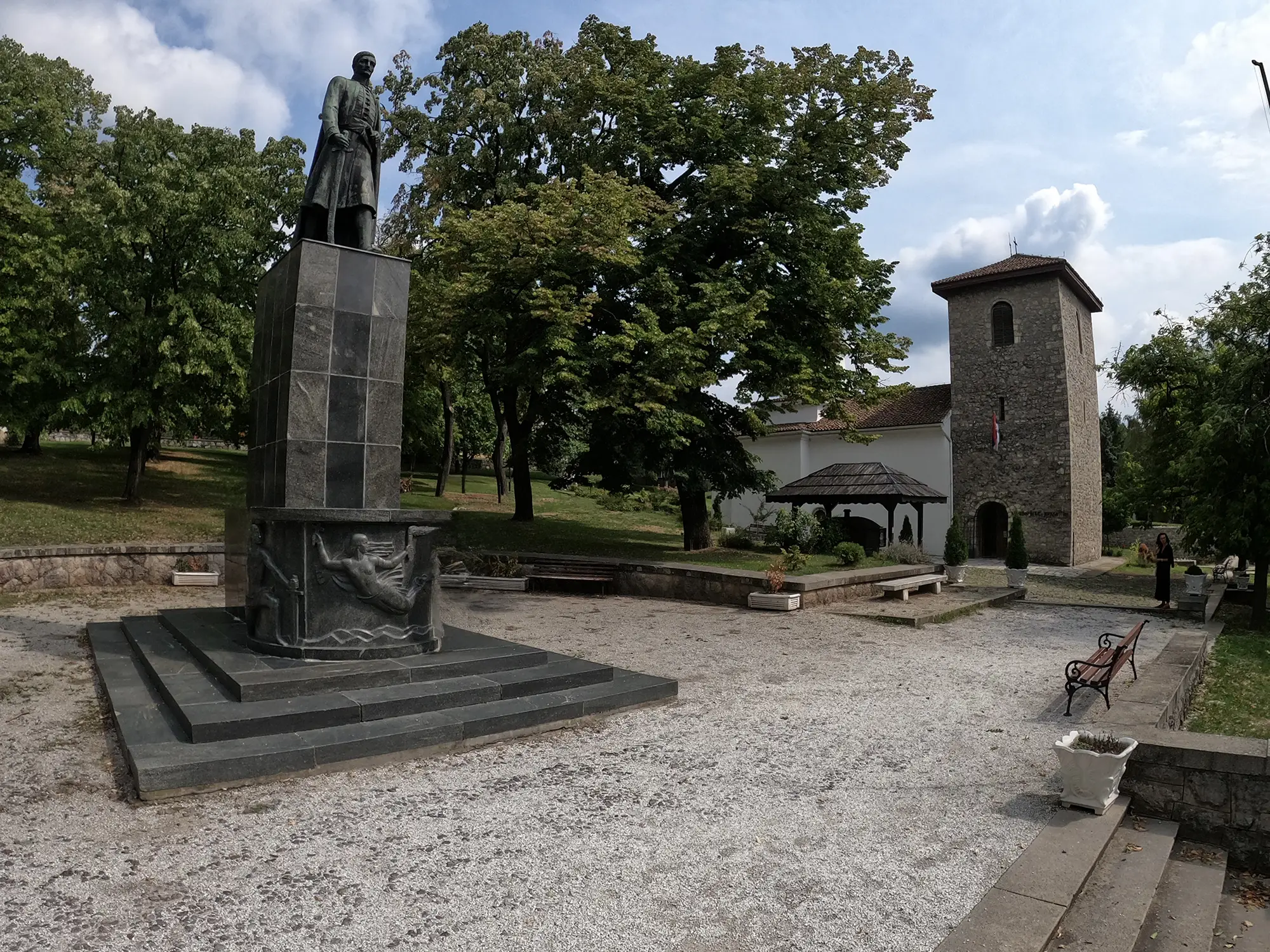
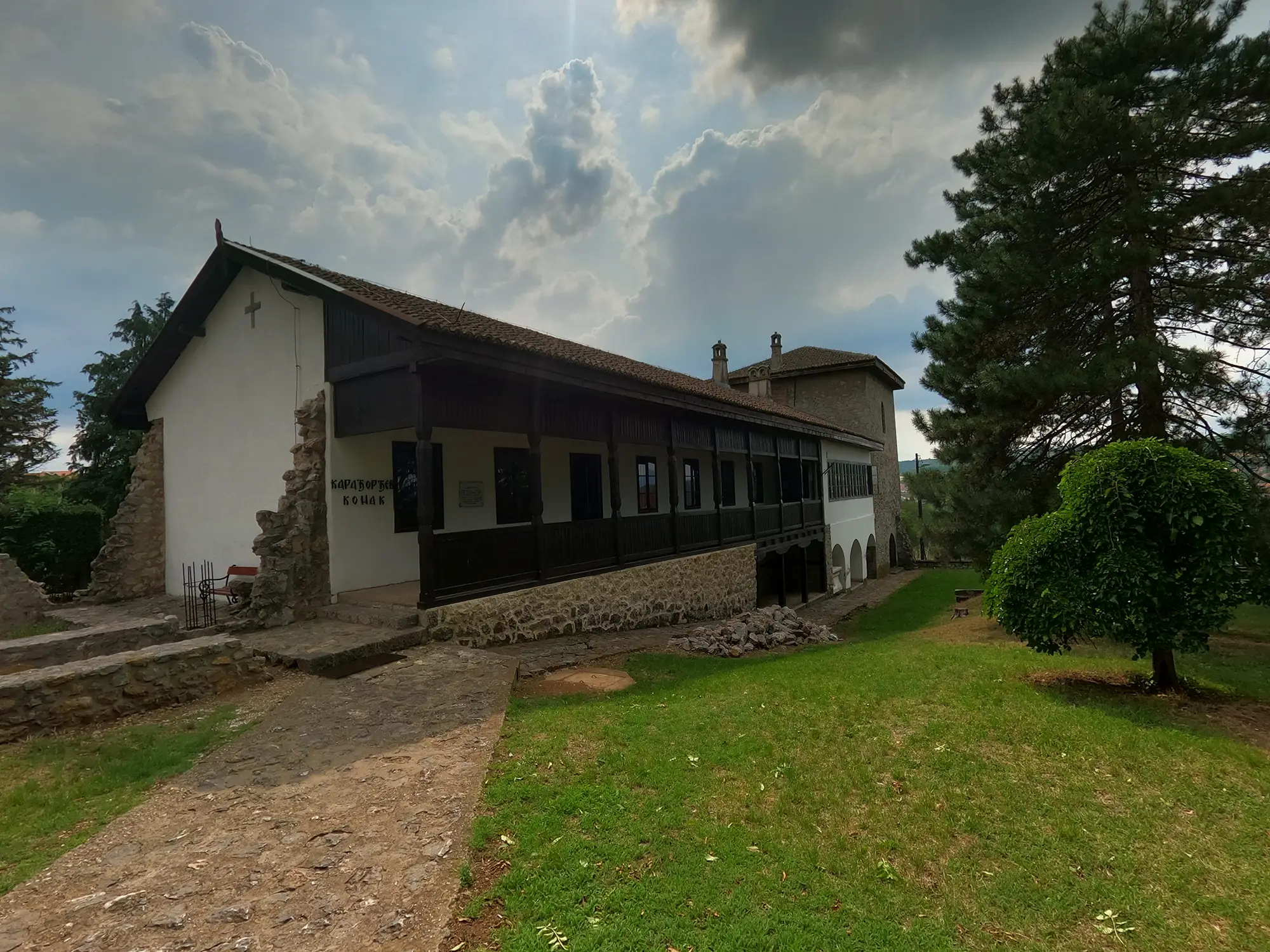
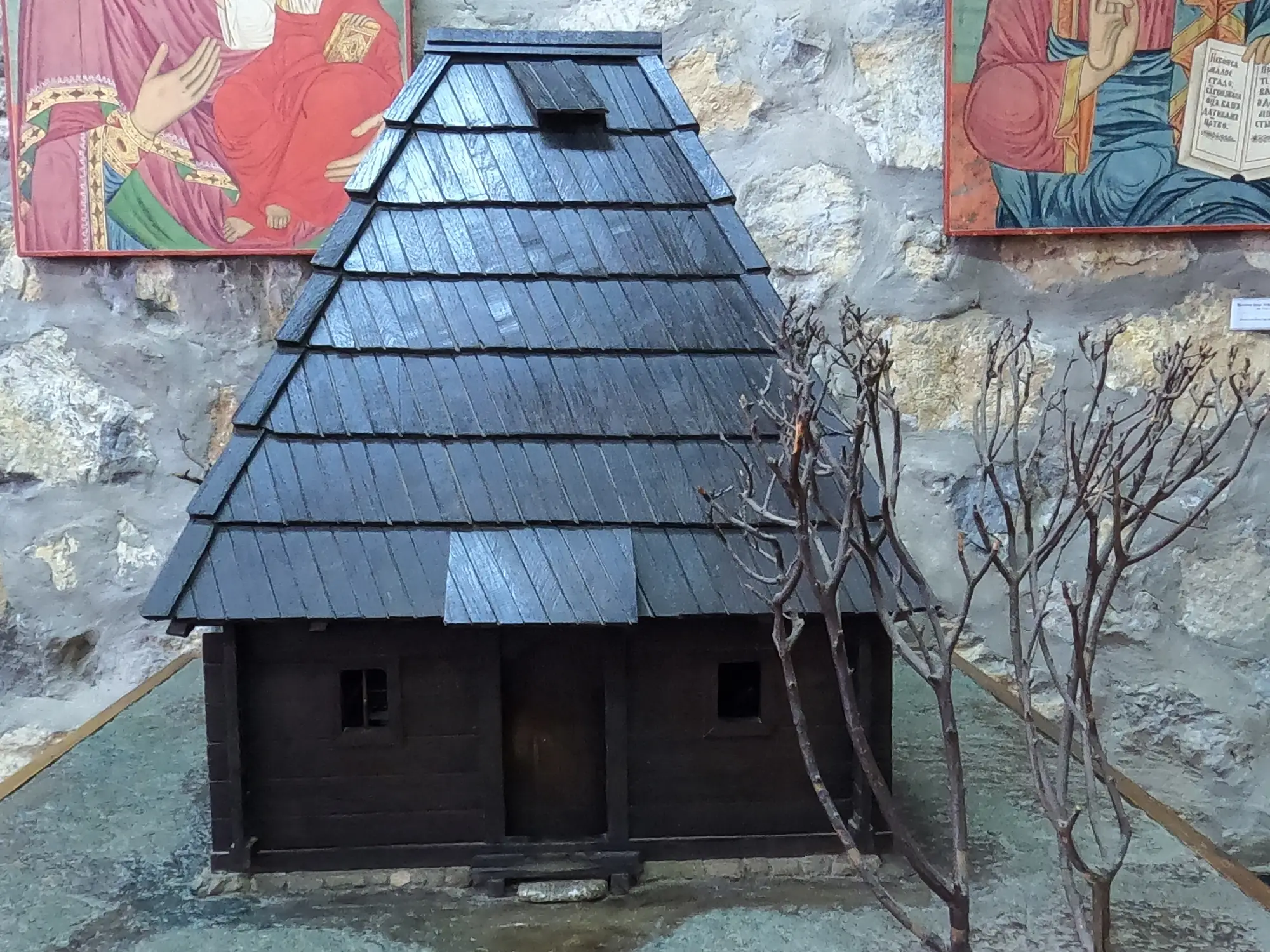
Karadjordje’s Town, known in Serbian as Konak, is a historical museum complex situated in Topola, about 54 miles southeast of Belgrade, the capital of Serbia. This important cultural site preserves several key structures that reflect early nineteenth-century Serbian life, including a restored residential building with a defensive tower, a church with a bell tower, and an old school. Together, these buildings form a unique historical setting that illustrates the struggle for national liberation and the formation of the modern Serbian state.
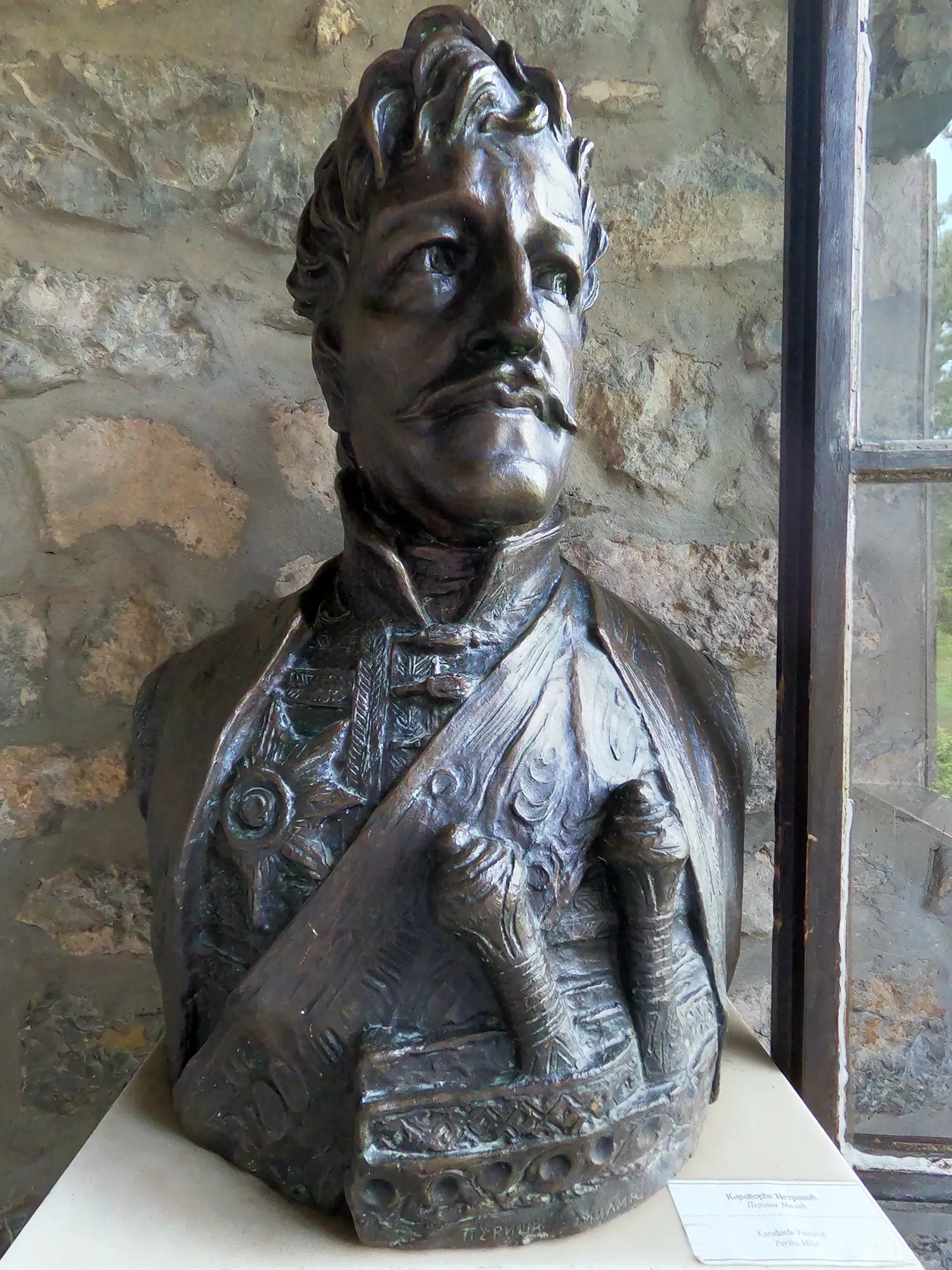
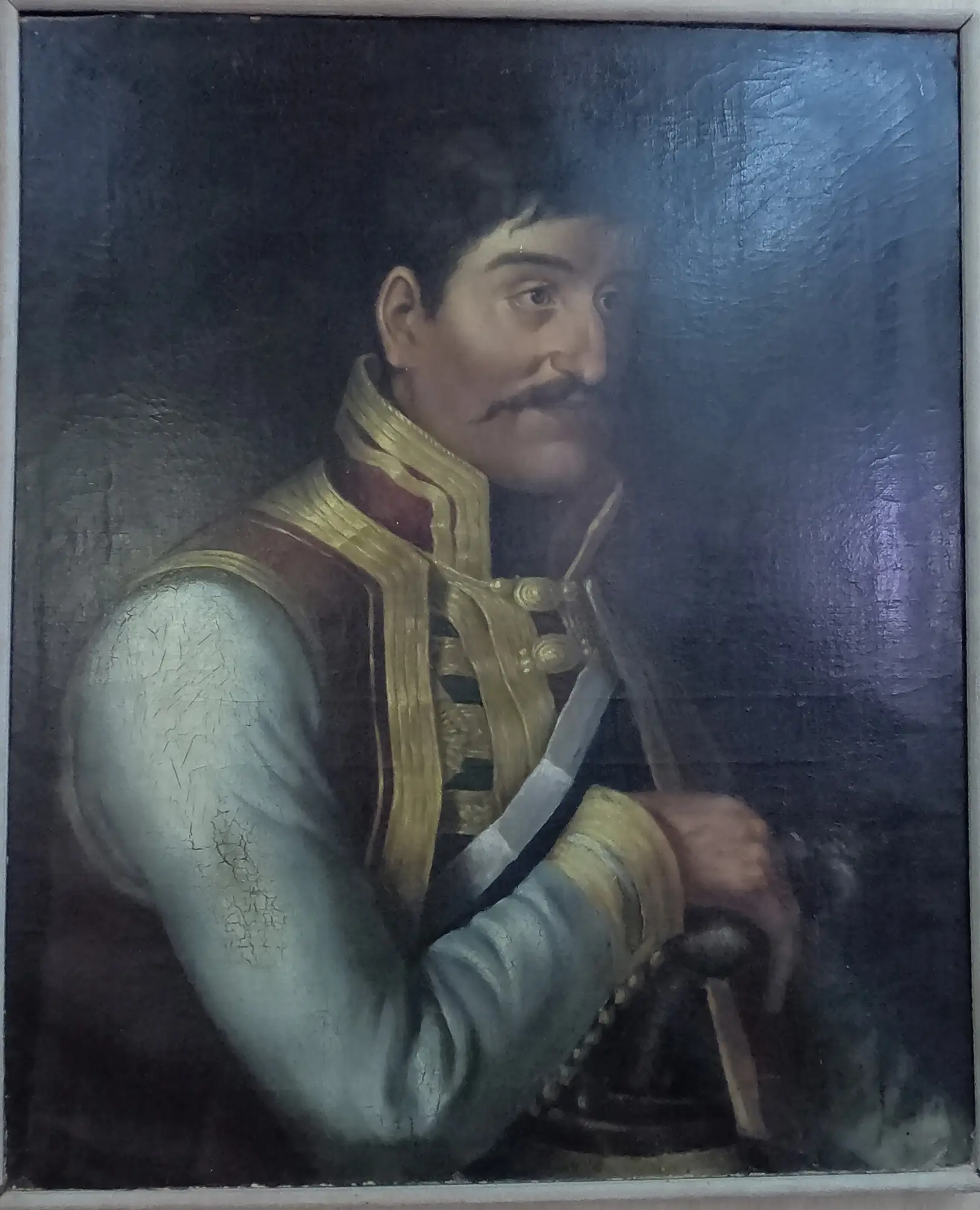
The museum is dedicated to the First Serbian Uprising against the Ottoman Empire (1804–1813) and to the life and legacy of its leader, Karadjordje Petrovic (1762–1817). Djordje Petrovic, widely known as Karadjordje or “Black George,” was a central figure in Serbian history and the founder of the Karadjordjevic ruling dynasty. This dynasty played a significant role in Serbia’s political life, ruling the country at various points in the nineteenth and twentieth centuries. As the first leader of the Serbs, Karadjordje laid the foundations for political independence and encouraged economic growth and cultural development in the region.
Karadjordje built his fortified Town between 1811 and 1813 using stone bound with lime mortar. However, the complex was destroyed by Ottoman forces in 1813. Following Serbia’s eventual liberation, the buildings were reconstructed and renovated multiple times, gradually taking on their present form during the second half of the nineteenth century.
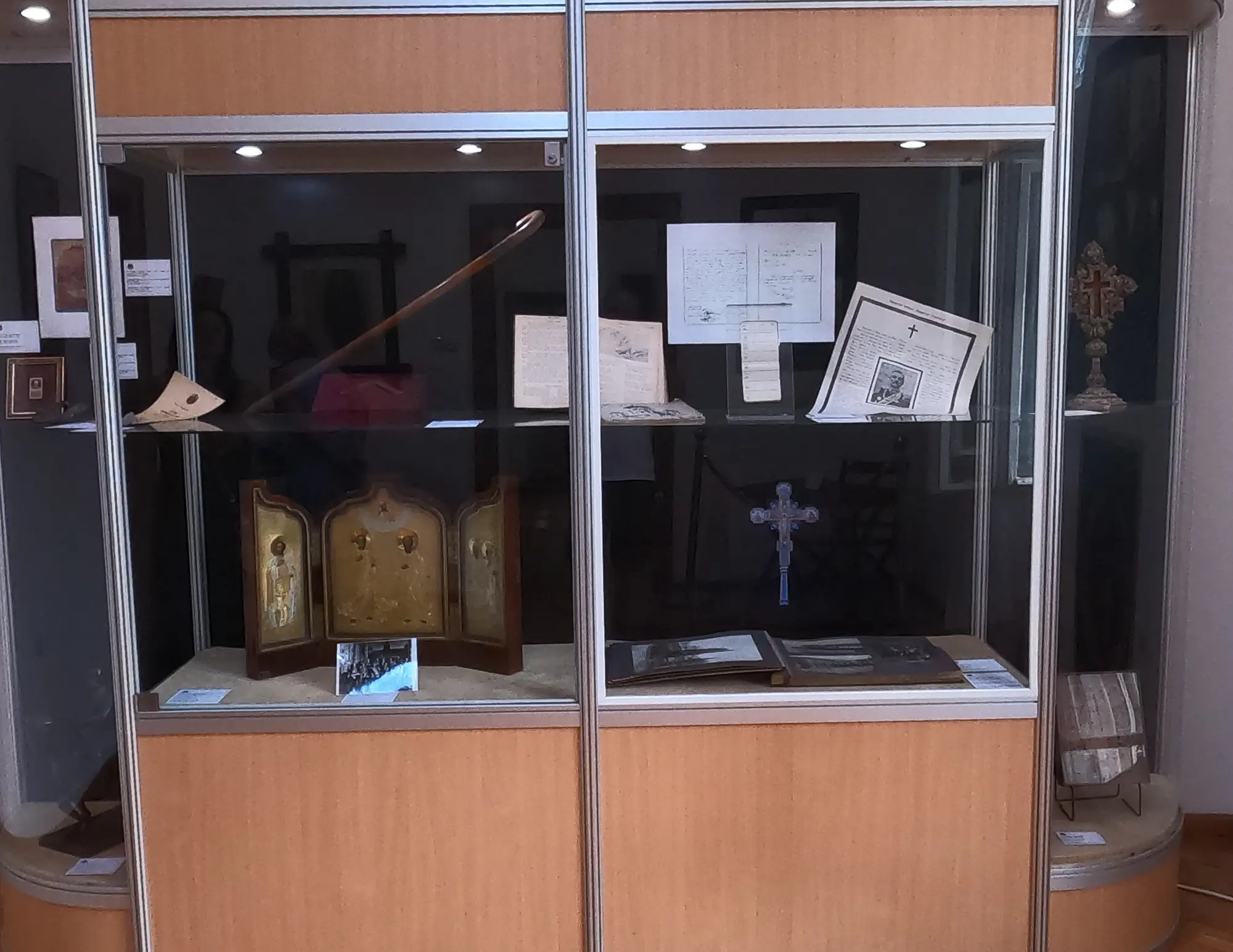
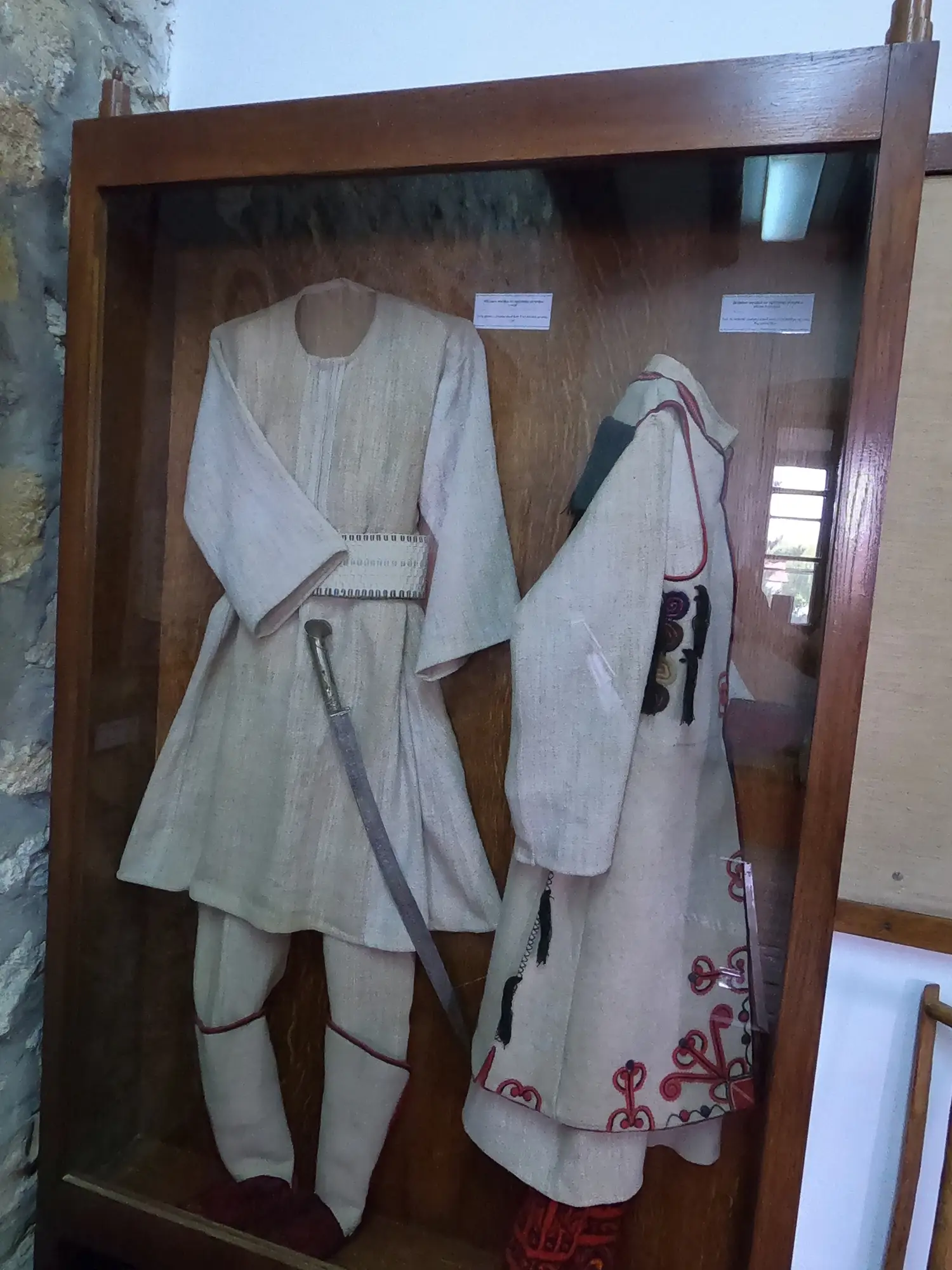
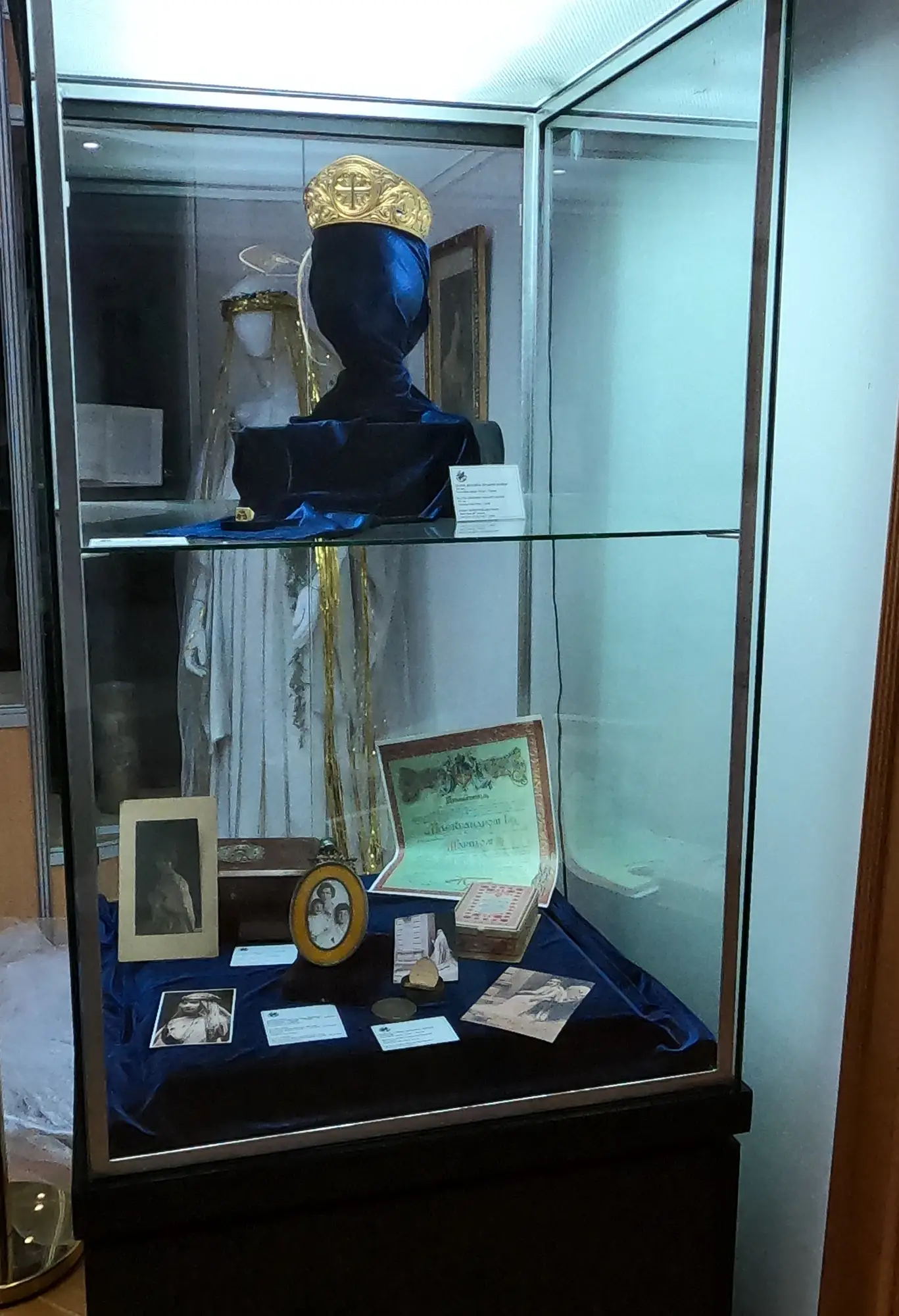
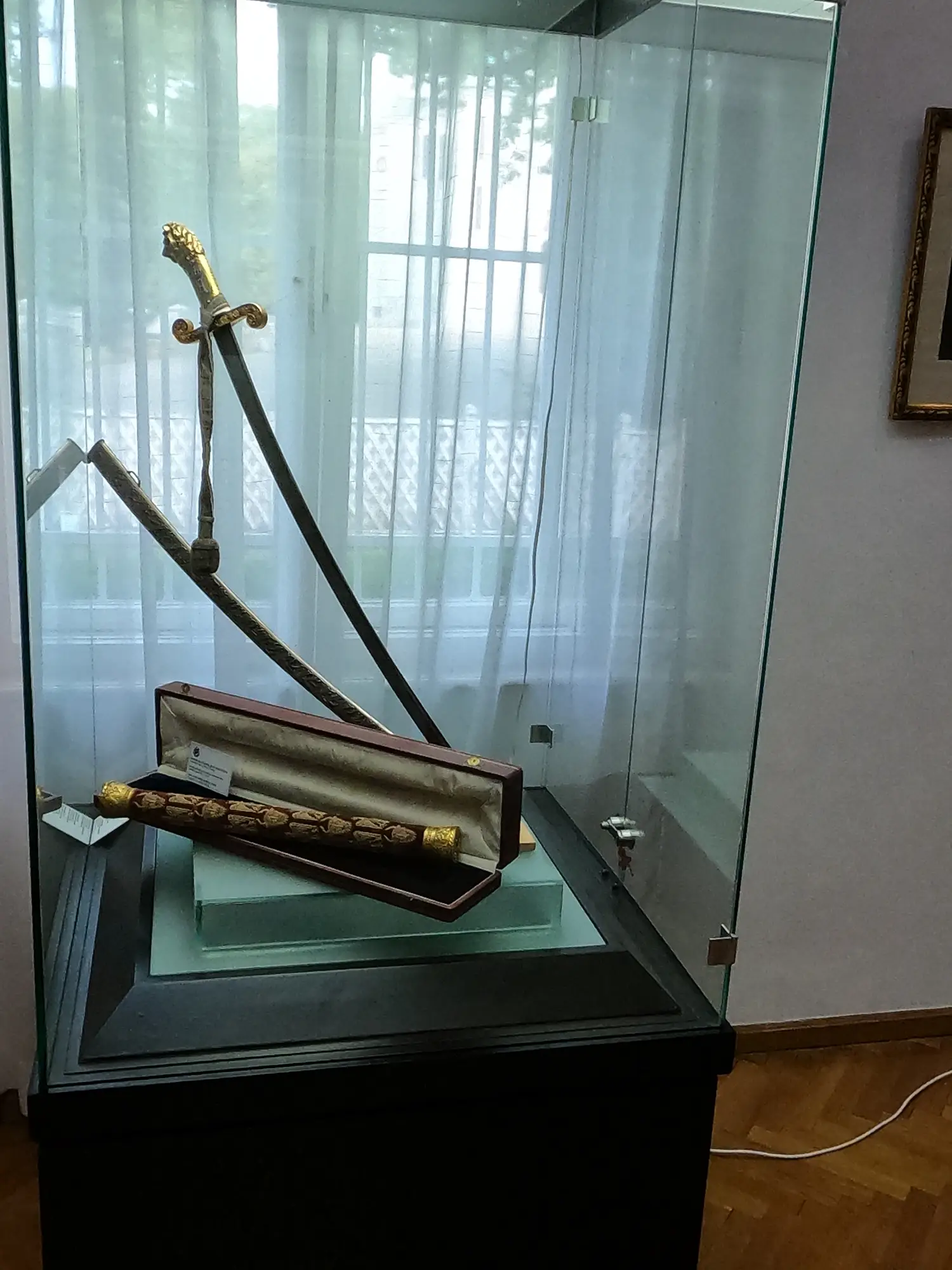
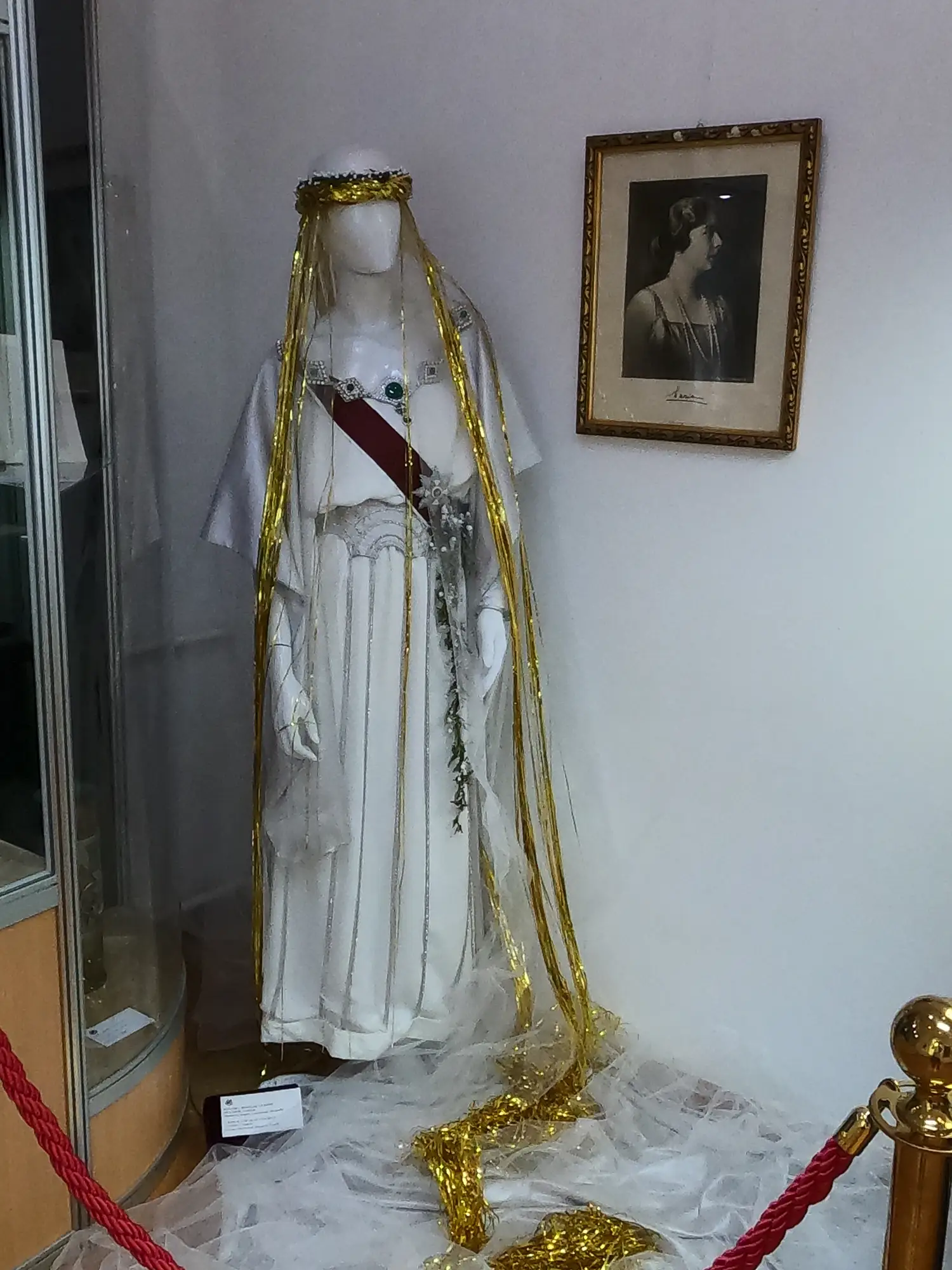
Today, the former residence serves as a permanent museum exhibition. It displays Karadjordje’s personal belongings, along with original weapons and artifacts from the First Serbian Uprising, offering visitors a direct insight into the life of the revolutionary leader and the broader historical struggle that shaped modern Serbia.
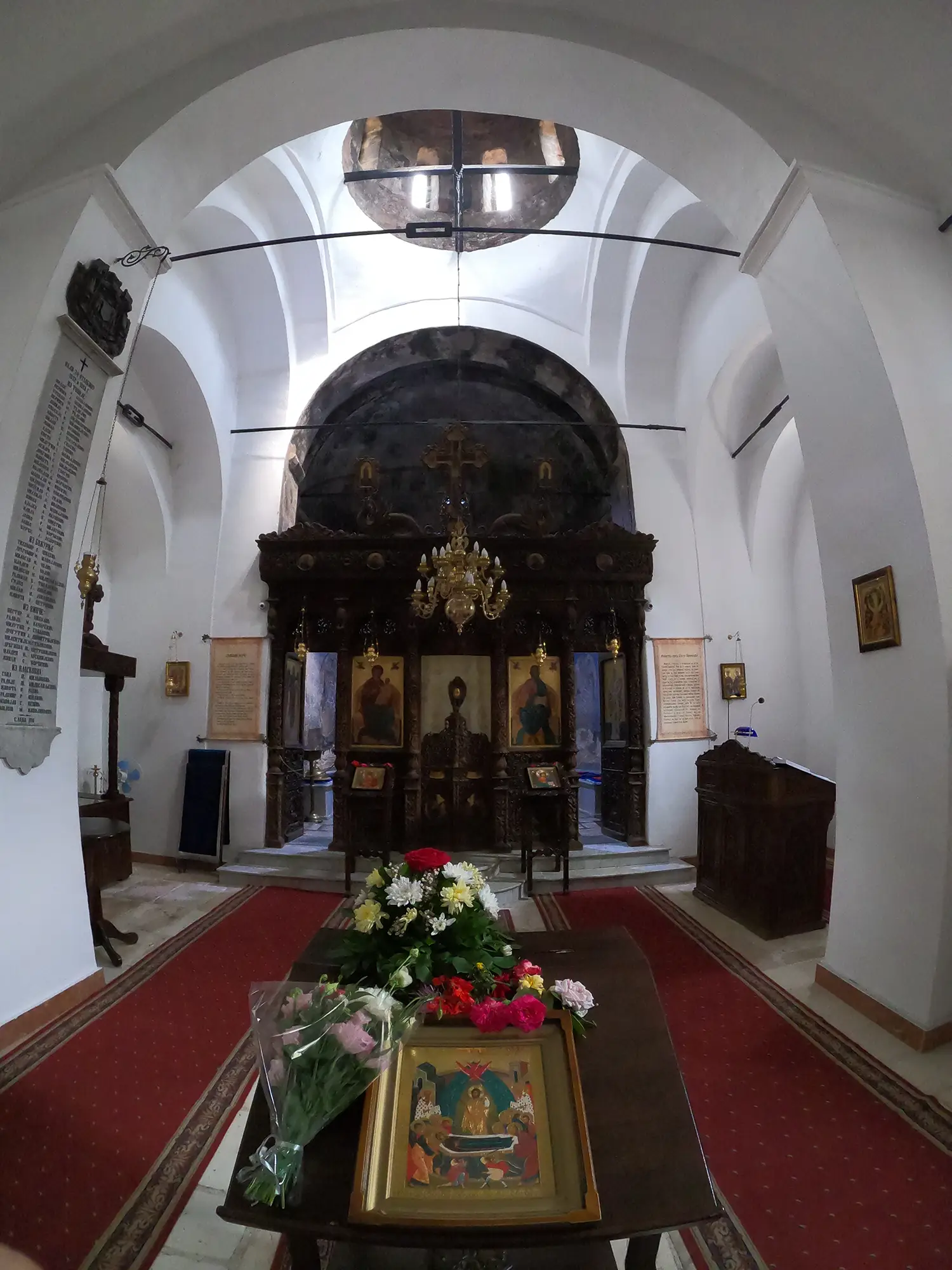
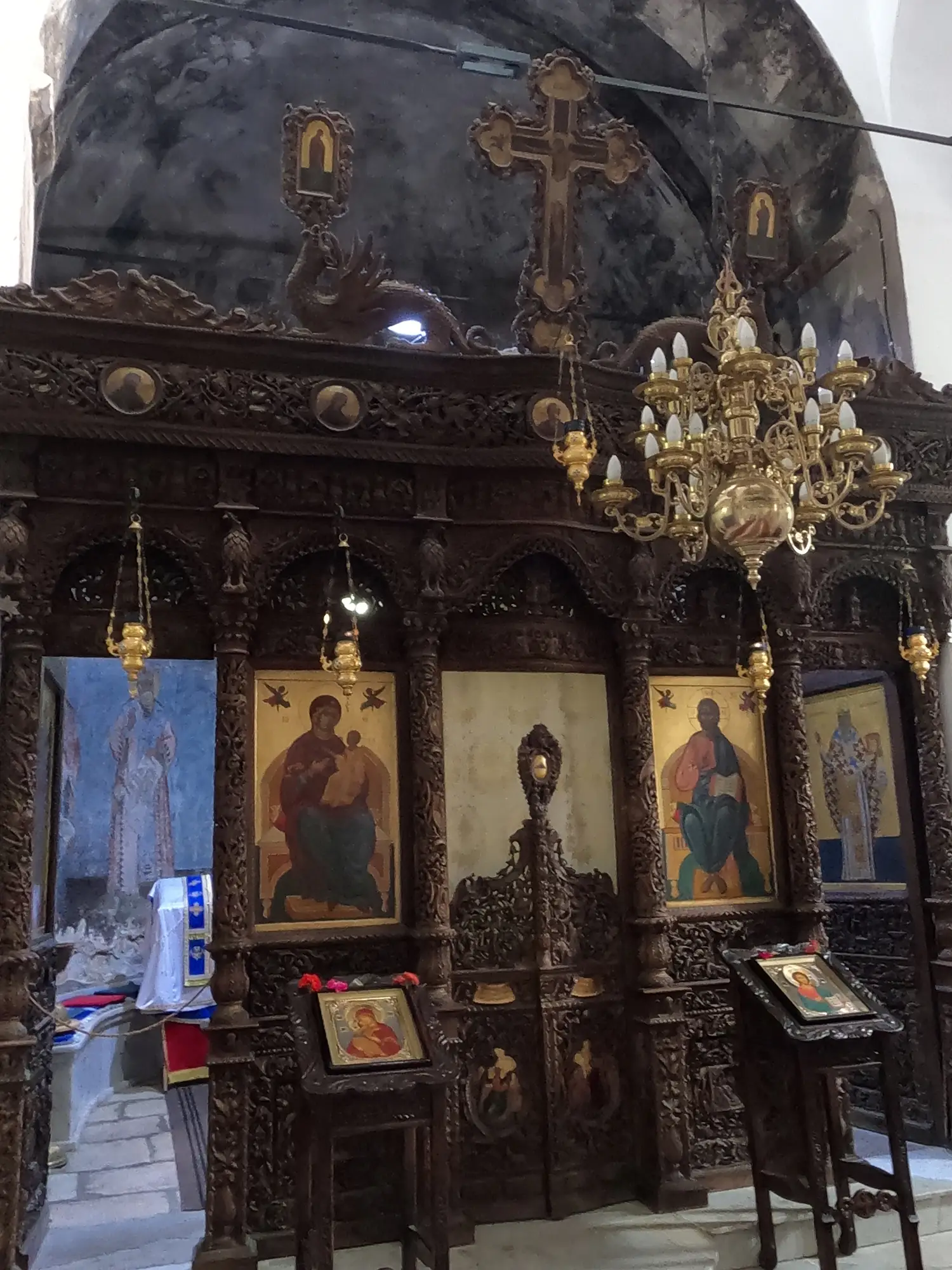
As an integral component of Karadjordje’s Town, the Church of the Birth of the Blessed Mother of God occupies a central place in both the architectural and symbolic landscape of the complex. The church was erected between 1811 and 1813 as a personal endowment of Karadjordje Petrovic. Constructed of roughly hewn stone bound with lime mortar, the church embodies the vernacular traditions of early nineteenth-century Serbian ecclesiastical architecture. Its bells were cast in iron, while the interior floor was paved with marble, underscoring the intention to create a dignified and enduring sacred space despite wartime constraints.
Historically, the church holds exceptional significance, as its bells were among the first to ring freely in Serbia after several centuries of Ottoman domination. Their sound symbolized not only religious revival but also the reawakening of Serbian political and national consciousness. Nevertheless, the church suffered repeated destruction during Ottoman reprisals and was burned and partially ruined on several occasions. It was ultimately restored in 1846 under the patronage of Prince Alexander Karadjordjevic, reaffirming the Karadjordjevic dynasty's enduring legacy in Serbian public life.
The broader historical context of the church’s construction is inseparable from the events of the First Serbian Uprising. In early 1804, following the massacre of Serbian local leaders by Ottoman janissaries known as the Dahis, Serbian representatives convened in the village of Orašac and decided to initiate armed resistance against Ottoman authority. Karadjordje was elected as the leader of the uprising, quickly demonstrating both military skill and political resolve. Within six months, his forces captured and executed the majority of Dahi leaders, and by 1805, their resistance had been eliminated.
As the uprising gained momentum, Karadjordje and his associates demanded extensive political autonomy for Serbia. The Ottomans perceived these demands as a preliminary step toward full independence. Preoccupied with the Russo-Turkish War of 1806–1812, the Ottoman government offered the Serbs concessions. Karadjordje rejected these terms, relying instead on Russia’s assurances of continued military support.
However, exhausted from a long war and the strategic shift caused by Napoleon’s invasion of Russia in 1812, the Ottomans' revenge resulted in the suppression of the uprising through severe repression in 1813. Karadjordje was forced into exile in October 1813, and Belgrade soon fell. He and his followers fled to the Austrian Empire, where they were arrested and detained. Despite Ottoman demands for extradition, Austrian authorities transferred Karadjordje to Russian custody, and he was granted refuge in Bessarabia. Karadjordje secretly returned to Serbia in July 1817, and agents of Milos Obrenovic, the leader of the Second Serbian Uprising of 1815, assassinated him. Obrenović viewed Karadjordje’s presence as a potential threat that might provoke the Ottomans to revoke the concessions already secured through negotiation.
Initially, Karadjordje was interred in 1819 in the crypt beneath the altar of the church he had endowed. In 1930, his remains were transferred to the Church of St. George at Oplenac, which later became the dynastic mausoleum of the Karadjordjevic family. Several members of his family, including his wife Jelena, his granddaughters Poleksija, Kleopatra, and Jelisaveta, and his grandson Svetozar, were also laid to rest there.
Over time, the name Karadjordje transcended its historical origins and became synonymous with popular leadership, resistance, and the struggle for freedom from oppression. His legacy has continued to inspire political, cultural, and artistic interpretations.
Notably, in 1911, film director Ilija Stanojević produced a silent film about Karadjordje’s life and achievements, with Serbian actor Milorad Petrović portraying Karadjordje. Titled The Life and Deeds of the Immortal Leader Karadjordje, the film represents one of the earliest examples of Serbian cinema and remains accessible today as a significant cultural and historical document.